What is the Role of Vitamin K Epoxide Reductase in Carboxylase and Menaquinone 7 Function?
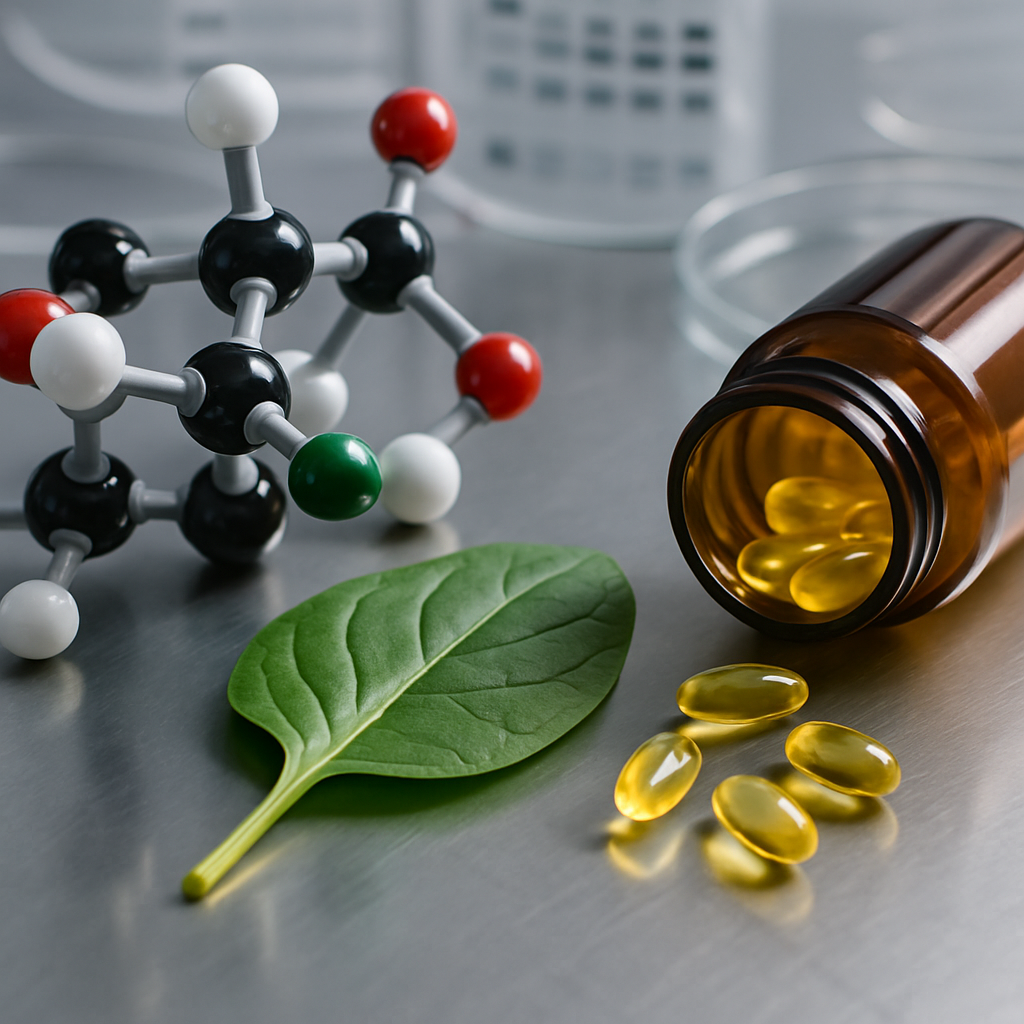
Vitamin K epoxide reductase (VKOR) operates at the heart of vitamin K recycling and is essential for enabling carboxylase-dependent activation of clotting factors and other proteins. Without VKOR, vitamin K would not be converted to its active hydroquinone form, effectively breaking the chain of reactions required for gamma-carboxylation. This process, in turn, is necessary for the function of both hepatic and extrahepatic vitamin K-dependent carboxylases as well as the utilization of menaquinone 7 and other vitamin K analogues, with impacts that stretch from blood coagulation to cellular redox balance.
The VKOR Enzyme and Its Molecular Mechanism
VKOR is an integral membrane protein, primarily located in the endoplasmic reticulum, and is best known for converting vitamin K 2,3-epoxide back into vitamin K. This reduction step is vital: only the hydroquinone form of vitamin K can act as a cofactor for the carboxylation reaction performed by gamma-glutamyl carboxylase.
The enzyme spans the membrane three times, with both its active site cysteines (residues 132 and 135) and warfarin-binding residues lying in strategic positions that regulate its function. These aspects of topology facilitate precise interactions with both the vitamin K substrate and diverse inhibitors, including anticoagulant drugs.
VKOR's genetic basis lies in the VKORC1 gene, and its function proves especially relevant when considering genetic variability and response to vitamin K antagonists. Researchers can find comprehensive mechanistic information on VKOR structure and inhibitors (source 1).
Role in Gamma-Glutamyl Carboxylation Reactions
Gamma-glutamyl carboxylase is an enzyme that relies directly on vitamin K hydroquinone to add carboxyl groups to glutamic acid residues on specific proteins. This modification is what enables clotting factors II, VII, IX, and X, as well as proteins C and S, to bind calcium and participate effectively in coagulation.
When VKOR is inhibited or deficient, the carboxylase reaction cannot proceed—effectively shutting down blood coagulation at a metabolic level. Carboxylase activity is also critical in extrahepatic tissues, providing a broader spectrum of vitamin K-dependent functions, such as in bone mineralization and vascular health.
Current research also investigates how variants in the carboxylase or in VKORC1 can influence disease risk, response to warfarin, and even the dietary requirements for various forms of vitamin K, such as menaquinone 7 and menaquinone 4.
More on this tightly coupled reaction cycle is available at ScienceDirect (source 2).
VKOR Inhibition: Warfarin, Flocoumafen, and Vitamin K Analogues
VKOR is the well-characterized target of anticoagulant drugs such as warfarin and flocoumafen. Warfarin acts by competitively blocking the reduction of vitamin K epoxide, preventing regeneration of vitamin K hydroquinone and ultimately leading to impaired carboxylase activity. As a result, blood coagulation is significantly reduced—this is the clinical basis for warfarin’s use in the prevention of thromboembolic events.
In addition to warfarin, a number of vitamin K analogues and rodenticides also target VKOR. Flocoumafen provides an example of a multi-target ligand with a notably long half-life, further confirming the enzyme's pivotal role in redox cycling. Such compounds can also affect other proteins, including prostaglandin synthases and serum albumin.
Nutritional and Biochemical Implications of Menaquinone 7 and Other Vitamin K Forms
Menaquinone 7, a widely recognized form of vitamin K2, depends on VKOR for its ability to participate in carboxylation reactions. Adequate intake of menaquinone 7 supports carboxylase activity and is linked to cardiovascular and bone health benefits. The balance of different K vitamers—such as phylloquinone and various menaquinones—impacts both the efficiency of vitamin K recycling and the breadth of carboxylase-dependent activities.
Emerging evidence underlines the importance of dietary management when VKOR function is impaired or when patients are using VKOR inhibitors. Taking into account both dietary sources and supplementation strategies ensures that the enzyme’s substrate is always available for gamma-carboxylation, maximizing physiological benefits.
Redox Regulation, Metabolism, and Genetic Considerations
The VKOR enzyme complex also interacts with a range of substrates and metabolic processes beyond just vitamin K epoxide. It acts within cellular redox systems, affecting glutathione cycles and potentially modifying responses to oxidative stress. Furthermore, its metabolism by cytochrome P450 enzymes links VKOR to broader detoxification pathways, as seen in the breakdown products of warfarin and related drugs.
Genetic variations in VKORC1 and CYP2C9 influence individual responses to both dietary vitamin K and anticoagulant therapy. These polymorphisms dictate enzyme stability, drug sensitivity, and the required dosing of vitamin K antagonists—demonstrating how tightly integrated VKOR’s metabolic network is within human physiology.
As research continues, connections are also being drawn between VKOR-mediated pathways and biomarkers involving retinol, glutathione, and biotin, suggesting that vitamin K status may be intertwined with broad nutrigenomic and metabolic networks.
Understanding the central role of vitamin K epoxide reductase is key to appreciating not only its biochemical function in carboxylase and menaquinone 7 activity but also the wider nutrition, genetic, and pharmacologic factors that impact its activity in health and disease.


Comments
Post a Comment