How Shadow Health Objective Data Enhances Assessment Tracking and Clinical UnityPoint Practices
Understanding the Core of Objective Data for Education and Assessment Tracking
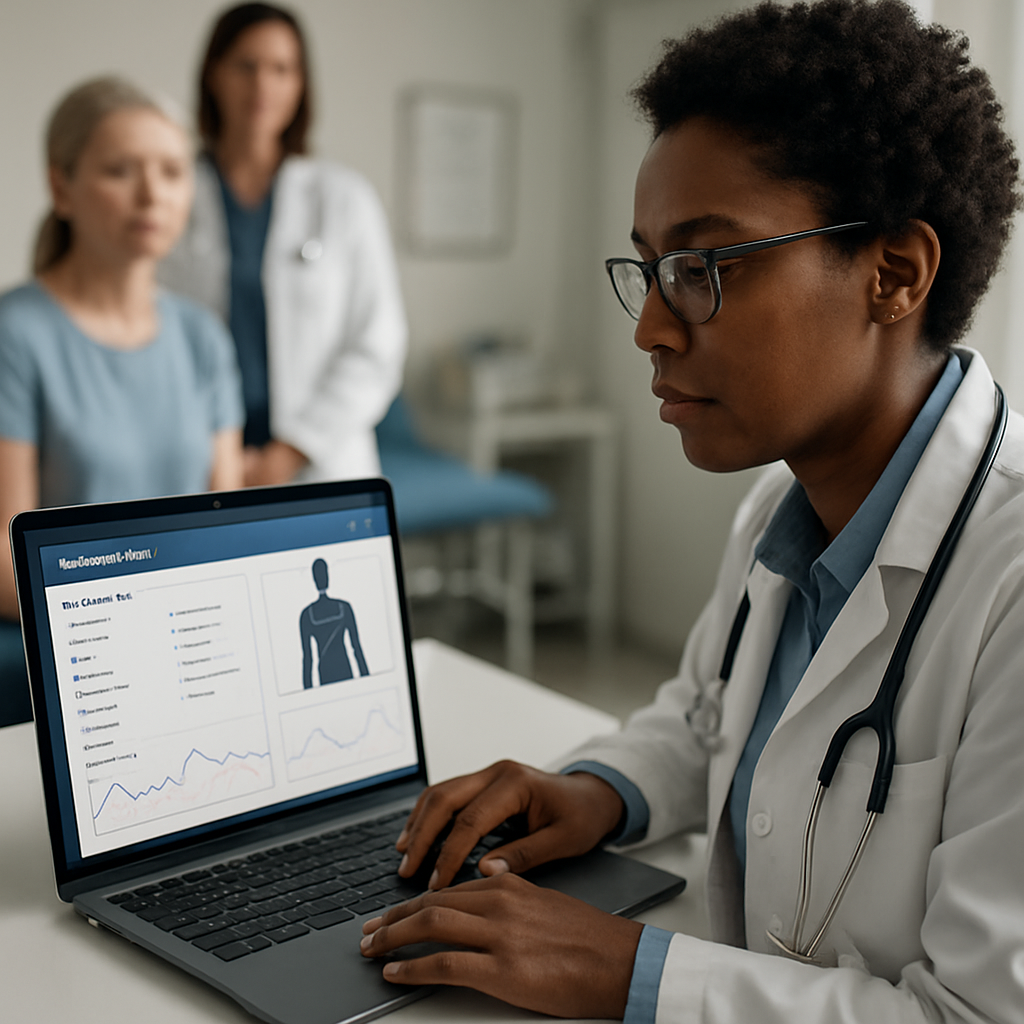
Shadow Health Objective Data is shaping how nursing students and professionals approach clinical assessment by providing structured, unbiased evidence of patient encounters. This approach is foundational in developing accurate clinical judgments and effective health education, particularly within digital platforms that emphasize assessment tracking and structured evaluation. By leveraging objective data, institutions can ensure that student performance and outcomes are systematically tracked, enabling both learners and educators to identify knowledge gaps and areas for improvement.
Nursing education platforms, such as UnityPoint and similar systems, rely on comprehensive data sets to calibrate feedback and guide simulated patient interactions. This standardization is vital, as it underscores the reliability of summative assessments while promoting practical reskilling for real-world care settings. The use of platforms like Shadow Health, as found in live clinical simulations, ensures objective data is more than just routine checklists—it is unified with evidence-based guidelines for holistic assessment tracking.
With assessment tracking, educators and administrators can easily monitor progress and ensure educational objectives align with current healthcare standards. This sets the stage for continuous improvement and data-driven decision-making in both clinical and administrative contexts.
Defining Objective Data: The Synonym for Standardized Patient Evaluation
Objective data refers to measurable, observable information collected during patient assessments. Unlike subjective opinions, objective evidence is critical for harmonization across clinical settings and for providing accurate feedback. In the context of Shadow Health, it enables consistent documentation of findings such as respiratory rate, temperature, and cough assessment—details that illustrate a patient's clinical status with clarity.
This level of standardization is echoed in the tools and resources found throughout modern nursing education, where synonyms for "objective data" often include terms like 'clinical indicators' and 'health metrics.' These elements are integral to both initial and ongoing assessments, from the initial intake through follow-up exams.
Objective data is also central to meeting Eurostat and federal reporting standards, supporting cross-institutional data sharing and secondary research. The definition of objective data extends beyond the bedside and into administrative, regulatory, and value indicator frameworks used by health leaders worldwide.
By integrating objective data as a core component, nursing curricula and technology-driven platforms foster skills that can be transferred seamlessly from the classroom to patient care environments.
Connecting Shadow Health Platforms to UnityPoint and American Administrative Standards
The intersection between Shadow Health's focus on objective data and UnityPoint's administrative strategies demonstrates the real-world impact of data harmonization. UnityPoint Health, a prominent healthcare provider, utilizes robust assessment tracking tools to align clinical practices with administrative and federal reporting priorities. These tools underscore the need for accuracy and consistency in collecting and analyzing objective data across organizational entities.
Connected data sets from platforms like Shadow Health are increasingly important for administrative and policy-making purposes. For instance, when training students to complete focused exams—such as those described in the Danny cough assessment—educators rely on clearly defined metrics to track progress over time.
Cardinal practices, such as open documentation, transparent sharing, and the utilization of technologies with IMS icon compatibility, all contribute to a seamless flow of objective data throughout care delivery systems. This positions healthcare organizations to meet both local and national standards while remaining agile in the face of evolving regulatory requirements.
Ultimately, the application of Shadow Health objective data within UnityPoint systems signifies a broader trend toward connected and standardized patient assessment models throughout health networks.
By integrating comprehensive data sets with clinical practice, these organizations foster environments where objective measurement and continuous improvement are guaranteed.
Using Value Indicators for Effective Clinical Outcomes
Objective data in Shadow Health is crucial for measuring value indicators, which are central to evaluating the quality of both educational and clinical outcomes. These indicators—ranging from patient safety to the effectiveness of targeted interventions—provide administrators and health leaders with robust metrics for decision-making.
Harmonization of these measures ensures that outcomes from diverse sources (such as census data, ministry guidelines, or eurostat reports) remain comparable and meaningful. For example, educational platforms use these value indicator sets to benchmark student performance and to facilitate export and analysis of large data pools for research and policy evaluation.
Monitoring and tracking value indicators is particularly significant in modern healthcare environments, as it allows for early identification of gaps in care or areas needing further training. When used within Shadow Health and Health UnityPoint systems, these measures are embedded in both the clinical and administrative workflows for optimal efficiency.
Resources for Continuous Improvement in Shadow Objective Assessment
Access to authoritative resources, such as maintenance updates and objective data case studies found on platforms like Studocu, provides ongoing support for educators and students alike. These resources offer up-to-date information, guidance, and troubleshooting tips that enhance the use of objective data in daily practice.
Clinical leaders and educators can also reference administrative guides and harmonization protocols to ensure that assessment tracking remains consistent with current standards across regions, including Australian, Canadian, and European regulatory frameworks. Regular updates to platform features, such as the addition of new value indicator dictionaries or export SSR functionalities, support continuous quality improvement and address changing administrative requirements.
As health systems embrace these technologies, learners and practitioners benefit from a comprehensive ecosystem of data-driven support, ensuring that objective measurement and assessment tracking become second nature throughout their careers.
This integrated approach lays the groundwork for improved patient care and greater alignment between education, policy, and clinical excellence.


Comments
Post a Comment