Tai Chi Insomnia Study: Cognitive Behavioral Therapy, Sleep Maintenance, and Relaxation Techniques
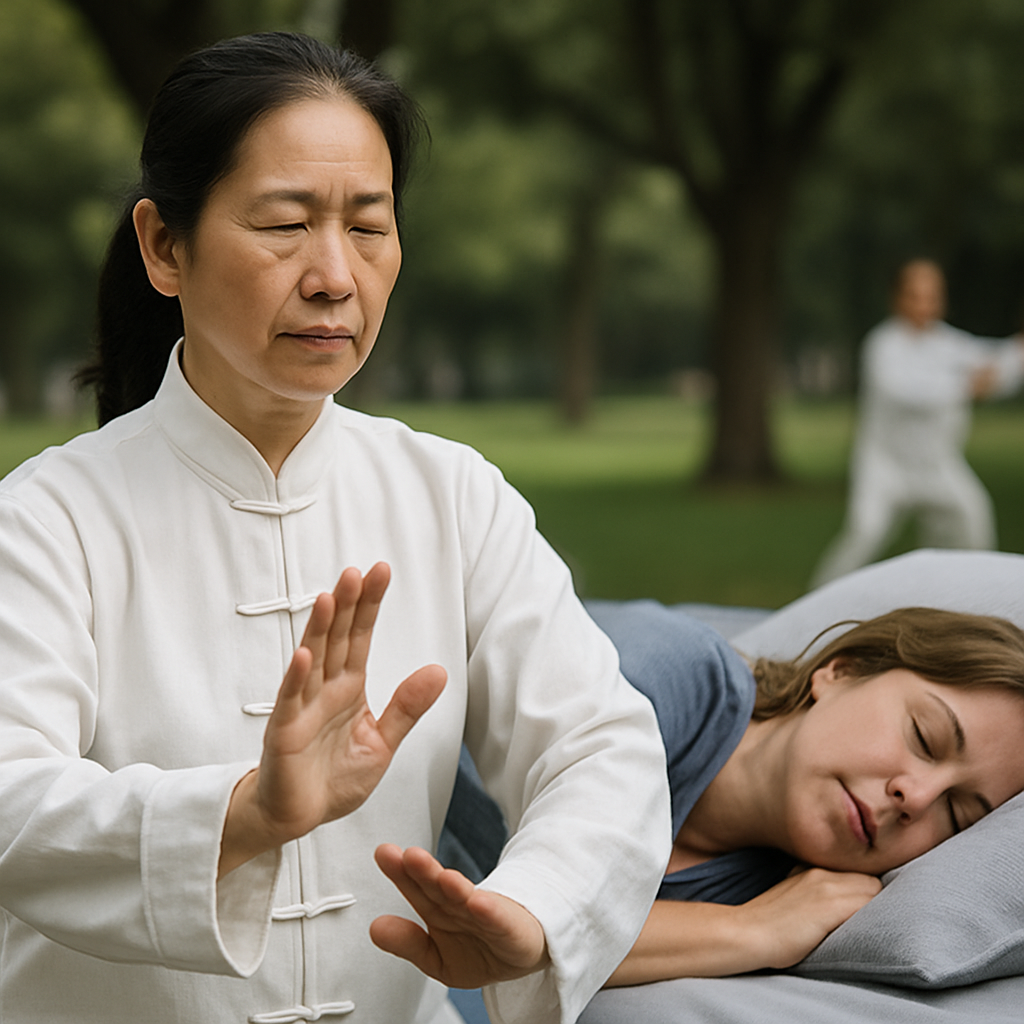
Understanding Insomnia and the Potential of Tai Chi
Many adults grapple with chronic insomnia, leading to impaired daily functioning and diminished quality of life. Research increasingly points to holistic interventions, such as Tai Chi, as valuable options for improving sleep outcomes. These approaches, when compared with traditional pharmacological therapies, emphasize behavioral and mind-body strategies. This article unpacks the intersection between Tai Chi practice, cognitive behavioral approaches to insomnia, and effective sleep maintenance methods—offering readers clear, research-based insights from existing clinical guidelines here.
Cognitive Behavioral Therapy Versus Tai Chi: Clinical Perspectives
Cognitive behavioral therapy for insomnia (CBT-I) is widely recognized as the first-line treatment for chronic sleep disturbances. This therapy targets mental patterns and behaviors that negatively impact sleep, guiding patients through tailored exercises and sleep routines. Yet, not all patients respond sufficiently to CBT-I alone or have access to trained therapists.
Emerging studies suggest Tai Chi can complement or, in certain populations, provide similar benefits as CBT-I by lowering stress, promoting relaxation, and encouraging consistent bedtime routines. Through movements and mindfulness, Tai Chi helps reset negative sleep patterns, especially when combined with behavioral sleep education. The integration of such mind-body practices reflects a growing acceptance within multidisciplinary sleep clinics, as outlined in the evidence-based recommendations by the VA/DOD Clinical Practice Guidelines.
Unlike pharmaceuticals, both CBT-I and Tai Chi avoid risks of dependency or next-day sedation, making them suitable for long-term management of insomnia. Patients are encouraged to choose interventions aligning with their preferences and medical histories, with referrals to specialized providers as needed.
Mechanisms: How Tai Chi Supports Sleep Maintenance
Sleep maintenance insomnia is characterized by frequent night awakenings and trouble returning to sleep. Tai Chi addresses this by inducing physical relaxation and shifting the nervous system toward a parasympathetic (rest-and-digest) state. Consistent practice helps regulate breathing, calm the mind, and lower heart rate—key components in maintaining uninterrupted sleep cycles.
Clinical research suggests that Tai Chi lowers cortisol levels, reduces anxiety, and may synchronize circadian rhythms, all crucial for middle-of-the-night sleep continuity. The slow, meditative movements act as a physiological signal, preparing the body and mind for rest. This is particularly helpful for adults prone to stress-related sleep disruptions.
Patients with chronic sleep problems benefit most from combining Tai Chi exercises (typically held in the evening) with established behavioral interventions, such as limiting screen exposure and adhering to fixed wake times. Such multi-pronged approaches address a spectrum of contributing factors and provide sustainable improvements in sleep length and quality.
Ultimately, incorporating Tai Chi into one's evening routine requires minimal equipment, is accessible at all fitness levels, and can be adapted to group or solitary practice, supporting consistent engagement and habit formation.
Key Relaxation Techniques for Chronic Insomnia Relief
Practicing relaxation before bedtime supports better sleep onset and maintenance. Tai Chi integrates several proven relaxation strategies, including controlled breathing exercises, progressive muscle relaxation, and guided imagery, offering a comprehensive mind-body approach.
Evidence-based insomnia guidelines also recommend integrating the following relaxation techniques:
- Slow, diaphragmatic breathing (enhanced during Tai Chi)
- Body scanning to increase mindfulness of tension and release
- Listening to calming, relaxing music as part of wind-down routines
Some patients find additional benefit from integrating other non-pharmacological modalities, such as meditation or gentle yoga, in tandem with Tai Chi. This flexible, personalized approach can address varied manifestations of insomnia, including sleep initiation and nocturnal awakenings.
Healthcare providers may recommend tracking symptoms with sleep diaries or utilizing validated scales (like the Insomnia Severity Index) to monitor progress and guide adjustments to the individualized intervention plan.
Research Evidence and Practical Integration
Recent clinical analyses demonstrate that Tai Chi may produce comparable improvements in sleep quality to established CBT-I in certain adult populations. Studies frequently highlight reductions in sleep latency (the time it takes to fall asleep) and increased sleep duration. Tai Chi's accessible format, stress-reduction effects, and negligible side effect profile make it a practical addition to primary care insomnia management, particularly when CBT-I is unavailable.
Patients interested in Tai Chi for insomnia should seek evidence-based instructors and discuss any medical limitations with their provider. Classes and online programs are widely available, allowing for gradual progression and social reinforcement. Adherence to routine (3-5 times per week) seems to provide the greatest benefit, with symptom improvement noted at around 8-12 weeks in most trials.
The synergy between Tai Chi, cognitive-behavioral approaches, and practical sleep maintenance strategies offers hope for those seeking non-pharmacologic solutions to sleep problems. By combining evidence-based interventions tailored to personal needs, many adults can achieve meaningful and sustained improvements in sleep quality and daily functioning.
For more comprehensive guidance on chronic insomnia management and recommendations for integrating behavioral therapies, consult the official clinical tool developed by the Centre for Effective Practice.


Comments
Post a Comment