Substitute Honey For Maple Syrup: Nutrition, Raw Varieties, and Pregnancy Safety
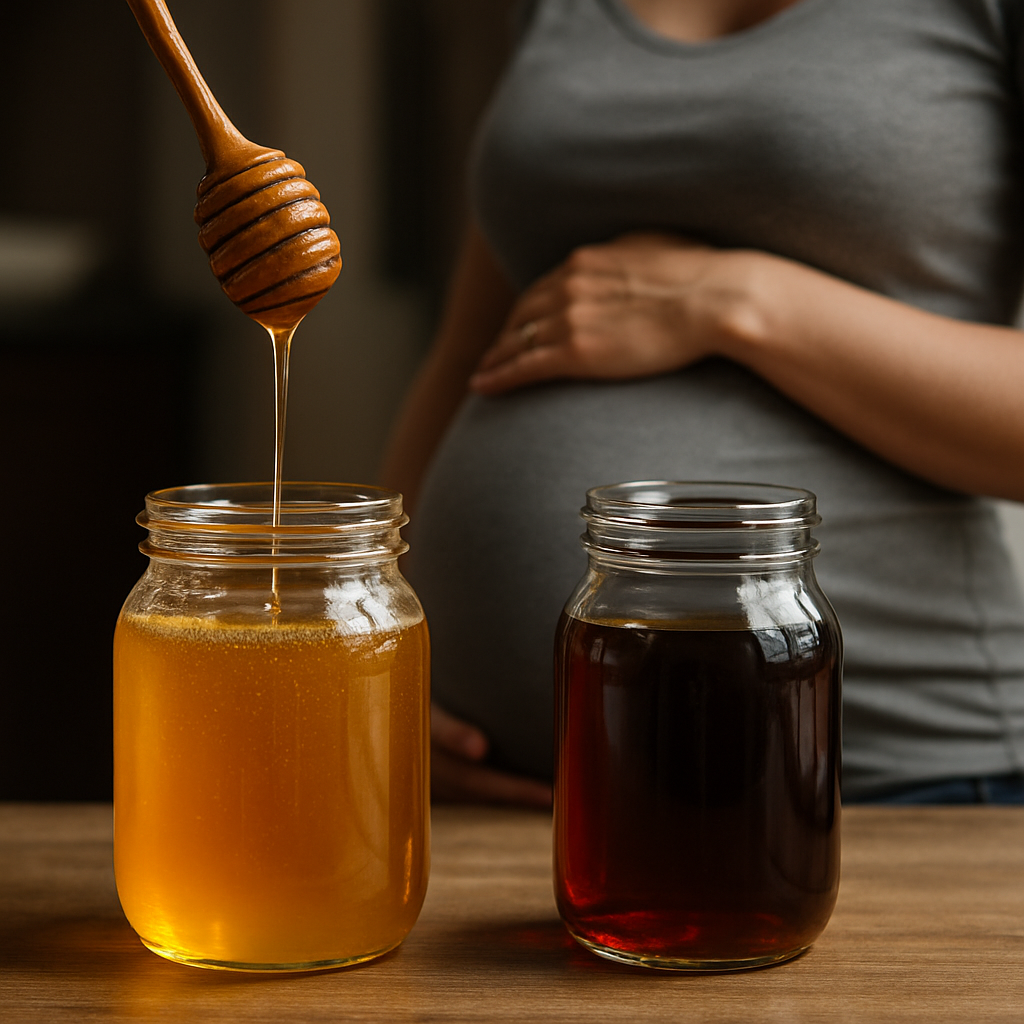
Is Honey a Good Substitute for Maple Syrup? What to Know Up Front
Honey can be used as a substitute for maple syrup in many recipes, but there are important nutritional and health considerations to keep in mind, especially if you are using raw honey or concerned about dietary needs during pregnancy. While both honey and maple syrup are natural sweeteners with unique flavors and nutritional profiles, raw honey contains additional components like bee pollen and antioxidants that may offer extra benefits or risks depending on your situation. Below, we explore how these two sweeteners compare and what you need to know about using raw honey for yourself and your family.
Comparing Nutritional Value and Unique Compounds
Raw honey is distinct because it comes straight from the beehive with minimal processing. It is filtered only to remove debris, retaining compounds such as bee pollen, propolis, amino acids, minerals, and polyphenols, all at trace levels (Healthline).
Maple syrup, on the other hand, is derived from the sap of maple trees and then boiled to thicken and concentrate its sugars. It contains minerals like manganese and zinc but lacks the diverse plant compounds and enzymes found in honey.
When substituting honey for maple syrup, consider that honey is typically sweeter, and a smaller amount may achieve the same level of sweetness in recipes or beverages.
For nutritional comparisons, a tablespoon of raw honey provides about 64 calories and 17 grams of sugar (Medical News Today), making it slightly higher in calories than the same amount of maple syrup.
Flavor, Texture, and Culinary Use: What Changes if You Swap?
The flavor profile of honey is more floral or herbal, depending on the plants visited by the bees, while maple syrup carries its signature woody and caramelized notes. When substituting, this flavor difference may subtly impact baked goods, glazes, or beverages.
Honey is thicker and can crystallize more quickly than maple syrup, particularly if it is raw and unheated (Moore Honey). This quality may change the texture of recipes and might require some adjustments when used in baking or sauces.
In drinks like tea, milk, or coffee, honey dissolves easily and works well as a maple syrup alternative. For glazing meats or vegetables, raw honey can add both sweetness and complexity, but be cautious with exposure to high heat.
If you need a vegan option or are allergic to bee products, maple syrup is the preferred choice as it is plant-based and free of animal by-products.
Raw Honey: Safety for Pregnant Women and Children
One of the main health considerations when replacing maple syrup with honey is the use of raw honey during pregnancy. Raw honey is unpasteurized and, although very rarely, may contain Clostridium botulinum spores that pose a risk primarily to children under one year old (Medical News Today).
Current research has not established a direct hazard from raw honey for healthy pregnant women, as adult digestive systems can neutralize these spores. However, medical professionals often recommend opting for pasteurized honey during pregnancy for added safety.
Never give honey—raw or pasteurized—to infants under one year of age due to the risk of infant botulism.
If you are preparing meals for a family that includes pregnant women or young children, consider these precautions before substituting honey for maple syrup.
Raw Versus Regular Honey: Health and Processing Differences
Raw honey provides a spectrum of trace nutrients, enzymes, and antioxidants that may be missing or reduced in processed honey (Healthline). Processing and heating, which occur with most supermarket honeys, can destroy bee pollen and heat-sensitive enzymes.
Some processed honeys may also contain added sweeteners, which can change both the nutritional value and glycemic impact compared to pure, raw honey. For optimal health benefits and the closest match to pure maple syrup, choose 100% unfiltered or creamed raw honey.
Despite these differences, both raw and regular honey can be effective substitutes for maple syrup in most recipes.
Practical Tips for Substituting: Quantities, Baking, and Storage
- When replacing maple syrup with honey, use about 3/4 of the amount of honey for every cup of maple syrup, adjusting to taste.
- Lower the oven temperature by 25°F if using honey in baked goods, as honey can brown more quickly.
- Raw honey may crystallize during storage. To return it to liquid form, gently warm the honey jar in warm water.
- For recipes like corn-baked ham or desserts calling for a maple syrup glaze, raw honey can provide robust sweetness with nuanced flavors, but watch for increased browning due to enzymes and natural sugars.
- Store honey in a cool, dry place, sealed tightly to preserve its quality and prevent moisture absorption.
By understanding the nutritional, culinary, and health differences, you can confidently substitute honey for maple syrup in recipes while considering special needs such as pregnancy and a preference for raw or unprocessed products.


Comments
Post a Comment