Signs Of Liver Detox Working: 10 Signs, How Detoxing Diarrhea, and Poop Pictures Reveal Progress
Understanding What Happens as Your Liver Detoxes
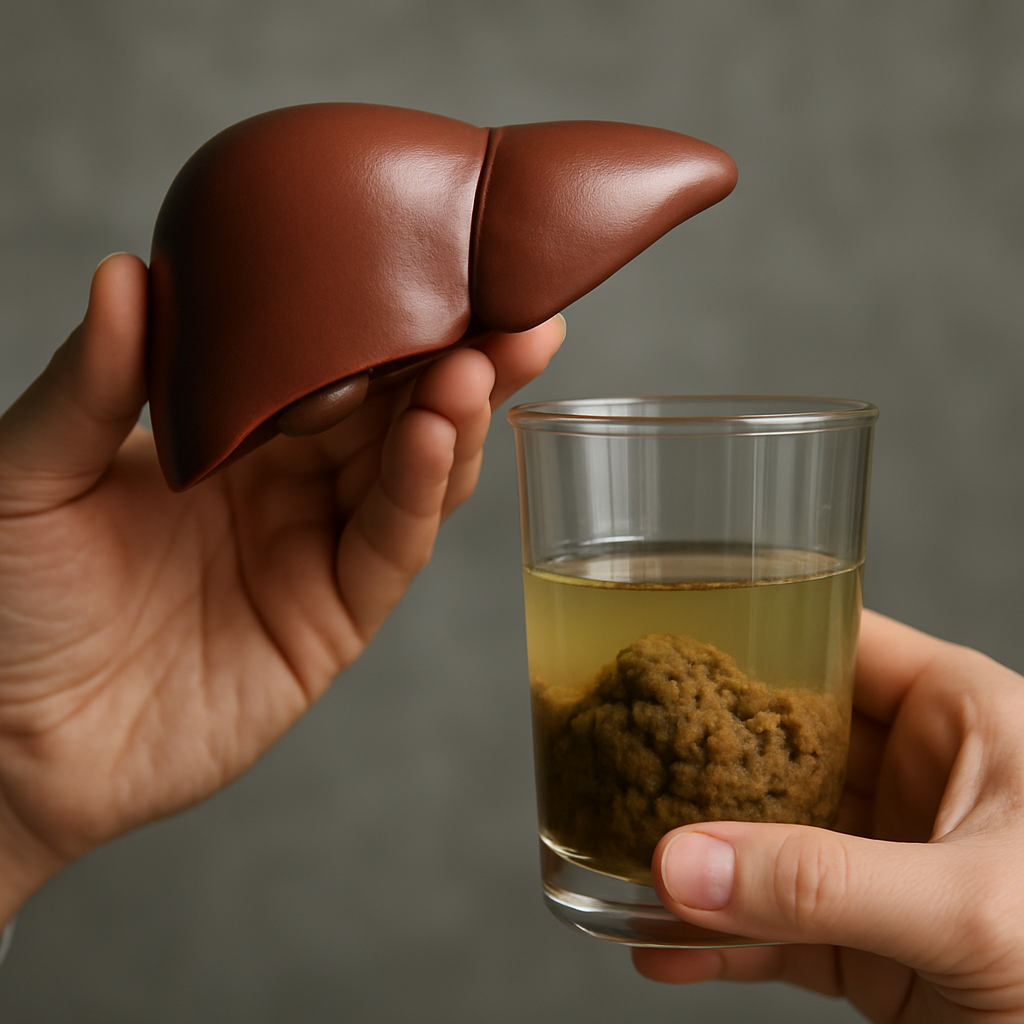
The signs of liver detox working are noticeable when your body is flushing out toxins and restoring optimal function. Recognizing changes—such as detoxing diarrhea, altered bathroom habits, or mild symptoms—can reassure you that your liver's natural cleansing process is active. This article outlines 10 essential signs, explains how detox-related diarrhea and stool changes can occur, and clarifies what real symptom progression looks like so you know what to expect and when to seek help.
Bodily Changes That Suggest Liver Detoxification
The liver acts as your primary filter, removing toxins from the blood and converting them to waste. During an effective detox, you might notice certain physical changes as your body eliminates these substances. For example, changes in urine color, stronger odor, or increased sweat indicate your body's attempt to expel byproducts of detoxification. These signs frequently occur as the liver enlists additional elimination routes to optimize the cleansing process.
Because many toxins are excreted through the digestive and urinary systems, any alteration in output—like bowel movement frequency or consistency—warrants attention. A mild headache or fatigue may appear as your body processes an increased load of metabolic waste. These are generally temporary and show your system is working as intended.
It is important to remember that while these experiences are common, extreme or persistent symptoms should not be ignored. If you feel unusually ill, consult a healthcare professional to rule out complications.
10 Signs Liver Detox Is Working: From Mild Discomfort to Visible Changes
- Increased Energy Levels: As the detoxification completes, people often notice renewed vitality due to improved liver function.
- Detoxing Diarrhea or Looser Stools: Temporary diarrhea or lighter stool color reflects toxins leaving through the digestive route. These changes might also show up as distinct differences in stool appearance, as discussed in clinical sources such as PubMed on liver detox pathways.
- Clearer Skin: As waste products leave the body, skin blemishes or dullness may subside.
- Milder Body Odor or Bad Breath: The flushing of toxins, especially ammonia, briefly heightens odor until cleansing is complete.
- Lighter Poop Pictures: Observing stool can provide visual clues; more frequent, lighter, or oddly colored stools may appear during active liver detox. Refer to trusted sources for safe comparisons if you are uncertain about changes.
- Improved Digestion: Bloating and indigestion may diminish as the liver's metabolic support improves the digestive process.
- Decreased Bloating: Reduced water retention and gas indicate your digestive system is adjusting positively.
- Regulated Sleep Patterns: A functioning liver can restore natural sleep cycles, improving rest quality.
- Better Mood and Focus: Less toxin buildup can positively affect mood and cognition, resulting in improved mental clarity.
- Disappearance of Fatty Liver Symptoms: If you had signs like upper abdominal discomfort or an enlarged liver, these may lessen as cleansing continues and liver function stabilizes.
Understanding Detoxing Diarrhea and When to Seek Help
Detoxing diarrhea is a frequently discussed sign of liver detox, triggered when the liver ramps up toxin removal via the intestines. Such episodes are typically short, often lasting only a day or two, and are accompanied by other mild symptoms outlined earlier. The consistency and color of stool may change, as well—ranging from looser to paler, or featuring undigested remnants due to increased transit speed.
While brief detoxing diarrhea is usually harmless, it's essential not to dismiss all cases as normal. Persistent diarrhea leading to dehydration, weakness, or severe abdominal pain signals something more serious and requires a professional opinion. Always monitor your body and ensure you're staying hydrated—water, herbal teas, or clear broths are recommended beverages, as noted by PatientFirst on liver cleansing.
Remember that changes in bathroom behavior can reflect other health issues. If new symptoms occur or you feel unsure about their persistence, reach out to a healthcare provider for further evaluation.
Photos of stool changes ('poop pictures') are popular online, but direct comparison to internet images often causes unnecessary concern. Instead, chart your own changes over time and look for trends aligned with gentle, healthy improvements.
Finally, it is important to recognize when at-home detox attempts go beyond mild symptoms. If you experience unexplained fever, bloody stools, or unrelenting cramping, seek immediate attention to rule out underlying problems unrelated to standard detoxification.
Enhancing Liver Detox Naturally and Safely
Liver health hinges not just on periodic detoxification but on lasting dietary and lifestyle habits. Consuming foods that support detox—like garlic, grapefruit, and fiber-rich vegetables as highlighted by Integris Health's liver detox guide—can provide key enzymes and antioxidants. These nutrients assist the liver in its continual filtering role, making intense cleanses less necessary and preventing build-up of harmful substances.
Regular exercise, avoidance of excessive alcohol or processed food, and managing weight further boost both liver function and whole-body detoxification outcomes. Small, daily changes often yield bigger results than sporadic or extreme detox regimens. Drink plenty of water or herbal teas to support ongoing cleansing and maintain optimal hydration.
If you wish to try time-limited cleanses, consider gradual approaches like a 3-day juice cleanse, introducing milk thistle, or adopting a 7-day cleanse diet within your comfort level. If attempting any diet change, consult resources or medical professionals before beginning—especially if you have pre-existing conditions or take medications that could affect liver function.
Key Takeaways on Signs and Safety When Detoxing
The appearance of signs like energy changes, detoxing diarrhea, clearer skin, or improved digestion can all indicate liver detox is working. Noticing patterns such as occasional mild discomfort, stool color variation, and even bathroom frequency is expected, but persistent or severe symptoms need medical review. Most importantly, do not rely solely on speculative online images or anecdotes—instead, partner with your healthcare provider and trustworthy resources to guide your journey toward better liver health.
Support your natural detoxification with a holistic approach: prioritize healthy nutrition, hydration, and habitual wellness for lasting liver protection and overall vitality.


Comments
Post a Comment