Can Sleep Apnea Kill You? Dangerous Signs, Untreated Risks, and When to Seek Treatment
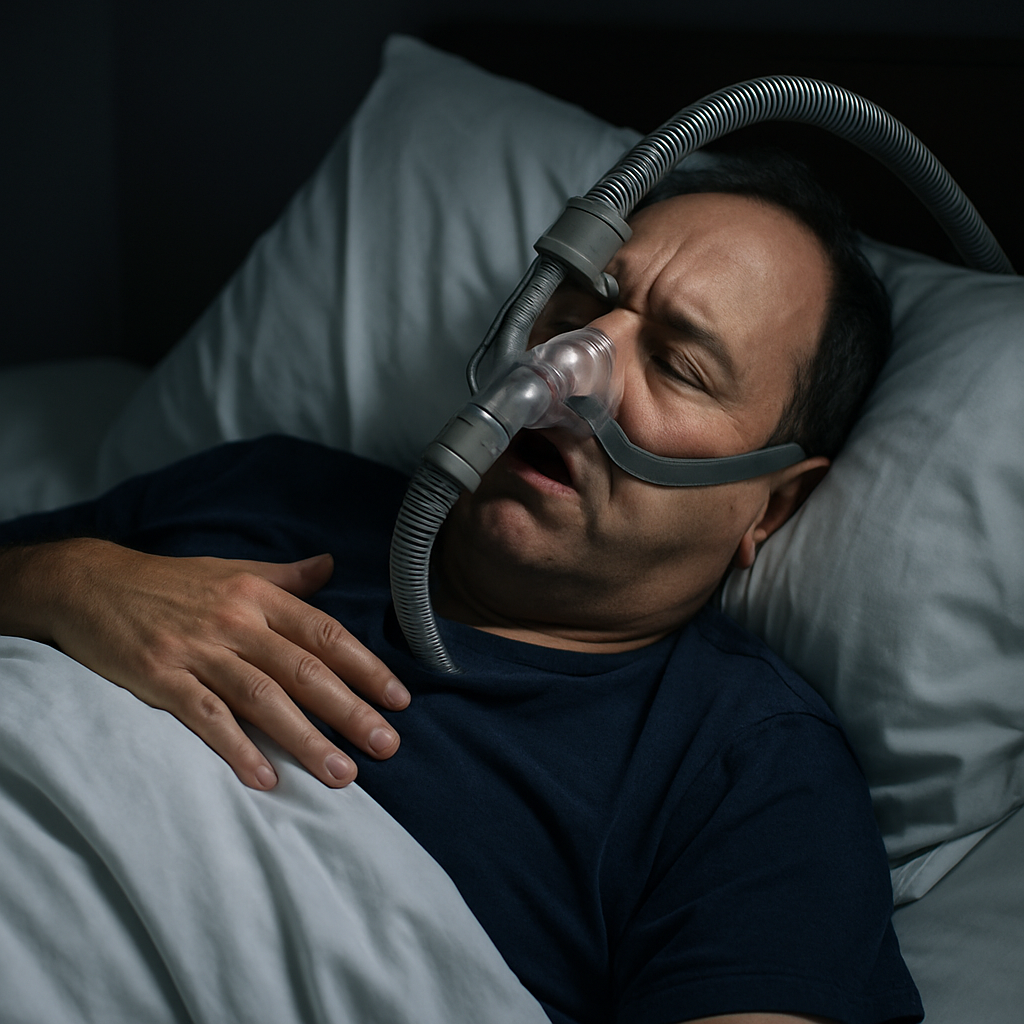
Yes, sleep apnea can be life-threatening if left untreated. Obstructive sleep apnea (OSA) leads to repeated episodes where your airway collapses while you sleep, causing breathing to stop or decrease dramatically. This frequent oxygen deprivation and poor sleep quality put strain on your heart, increase your risk of high blood pressure, and can even result in sudden cardiac events. Recognizing the dangerous signs of OSA and seeking prompt treatment are essential to safeguarding your health and preventing serious consequences (NCBI Bookshelf).
Understanding the Most Dangerous Signs and Symptoms of Sleep Apnea
Obstructive sleep apnea typically goes unrecognized until a partner notices disruptive patterns such as loud, chronic snoring or visible episodes of breathing cessation during sleep. Additional worrisome symptoms include abrupt awakenings followed by gasping or choking, and persistent morning headaches. Daytime signs may involve profound sleepiness, difficulties concentrating, or memory problems that compromise daily functioning.
The most alarming warning signs are witnessed apneas, in which another person observes you stop breathing during sleep. Recurrent choking or gasping episodes, along with very loud snoring, demand prompt medical attention. Untreated OSA can significantly limit oxygen delivery to the body, straining the cardiovascular system and increasing the risk of sudden complications. Anyone who notices these severe symptoms should seek a professional sleep test for timely diagnosis (Cleveland Clinic).
Other less obvious signs include waking up with a dry mouth, sore throat, or a sensation of restless and nonrestorative sleep. These indicators point toward ongoing airway obstruction throughout the night, which, if ignored, elevates both short-term and long-term health risks.
Consequences of Untreated Sleep Apnea: Life-Threatening Risks and Chronic Conditions
Failing to address sleep apnea puts you at risk for serious, potentially fatal outcomes. The intermittent oxygen deprivation experienced with every apnea episode increases the likelihood of hypertension, arrhythmias, and heart attacks, especially while sleeping. Sudden death during sleep, though uncommon, is a real danger for individuals with severe OSA who remain untreated. The risk intensifies with advancing age and other risk factors like obesity or cardiovascular disease.
Sustained sleep disruption also impairs glucose metabolism, raising the chances of developing type 2 diabetes. Beyond the heart, untreated OSA contributes to stroke, mood disorders, and significant cognitive decline. These complications accumulate quietly over time, making early recognition and intervention even more important.
Driving accidents are another underappreciated threat. People with untreated sleep apnea are at much higher risk of motor vehicle crashes due to impaired daytime alertness. This danger persists until the underlying sleep disorder is managed—demonstrating that OSA is not just a heart problem, but a broader safety concern as well.
Sleep apnea is not always obvious. Even if you do not snore or feel excessively tired, you could still have this condition if you experience regular morning headaches or have risk factors like high blood pressure and obesity. The bottom line is that unchecked OSA can kill silently and unexpectedly, underscoring the necessity of testing and ongoing care.
Diagnosis: How Is Sleep Apnea Detected and What to Expect From a Test?
Testing for sleep apnea generally involves a sleep study, either performed overnight in a specialized clinic or in some cases at home with portable equipment. These tests measure breathing patterns, blood oxygen levels, heart rate, and brain activity to pinpoint apneas and hypopneas. Diagnostic criteria for OSA include the frequency of these breathing interruptions and their impact on oxygen saturation or arousal from sleep.
While at-home tests can identify moderate to severe OSA, in-lab polysomnography provides a more comprehensive evaluation and helps rule out central sleep apnea, where the brain fails to send appropriate signals to maintain breathing. Getting an accurate diagnosis is essential because it guides not just initial treatment but ongoing management.
Healthcare providers often recommend a sleep apnea test if you have common risk factors—such as obesity, large neck circumference, or a family history of apnea—or if you display dangerous warning signs. The cost and access to these diagnostic tools can vary, but most insurance plans (including the NHS in the UK) cover typical sleep studies and follow-up care if indicated (AMA).
Treatment Options: How Fast Can Sleep Apnea Be Managed and Can It Be Cured?
Treatment for sleep apnea can begin very quickly once a confirmed diagnosis is made. For most people with moderate to severe OSA, the CPAP (Continuous Positive Airway Pressure) machine is the first-line therapy, keeping the airway open during the night and restoring normal oxygen flow. Modern CPAP devices are available in new, more comfortable designs, and CPAP masks now come in a variety of styles for better fit and effectiveness. Many people notice significant symptom improvement within the first week of regular use.
For those who cannot tolerate a CPAP, alternative devices such as mandibular advancement splints or custom dental appliances (often referred to as "oral appliances") can be considered. Recent over-the-counter mouthpieces and some innovative devices are also available, but custom-fitted options from a dental or sleep specialist are usually more effective and reliable.
Lifestyle changes play a critical role in sleep apnea management. Weight loss, exercise, and modifying sleep position (such as avoiding back sleeping) can help reduce the severity of symptoms in mild to moderate cases. For select individuals, surgery may be an option, especially if there is an obvious anatomical blockage that can be corrected.
While certain cases of sleep apnea—in particular, those related primarily to weight or reversible anatomical factors—can resolve with targeted therapy, most people require ongoing management rather than a cure. Regular follow-up and adherence to prescribed treatments are the best ways to prevent the life-threatening consequences of OSA.
Special Considerations: Women, Central Sleep Apnea, and Self-Care Strategies
Women may experience sleep apnea differently, with less obvious symptoms such as insomnia, fatigue, or mood swings, leading to underdiagnosis. Post-menopausal women and those with certain health conditions are at increased risk, so healthcare providers should be vigilant for subtle indicators when evaluating female patients.
Central sleep apnea, which is less common than OSA, is marked by a problem in the brain centers responsible for breathing and often requires specialized therapy. Symptoms in central apnea may look similar, but treatment approaches can differ significantly.
Self-care is vital regardless of sleep apnea type. Lifestyle modifications, such as reducing alcohol consumption, quitting smoking, and maintaining a healthy weight, make a measurable impact on symptom severity. Early intervention and educating yourself about the risks are essential for a better quality of life.
For those concerned about OSA, seeking a test as soon as warning signs appear ensures access to timely treatment, reducing the likelihood of serious health outcomes related to untreated sleep apnea.
Prompt recognition and proactive management of sleep apnea transform this dangerous sleep disorder from a silent killer into a highly treatable condition that can be controlled for the long term.


Comments
Post a Comment