Can Sleep Apnea Kill You? The Dangerous Signs, Risk Without Treatment, and When It Becomes Fatal
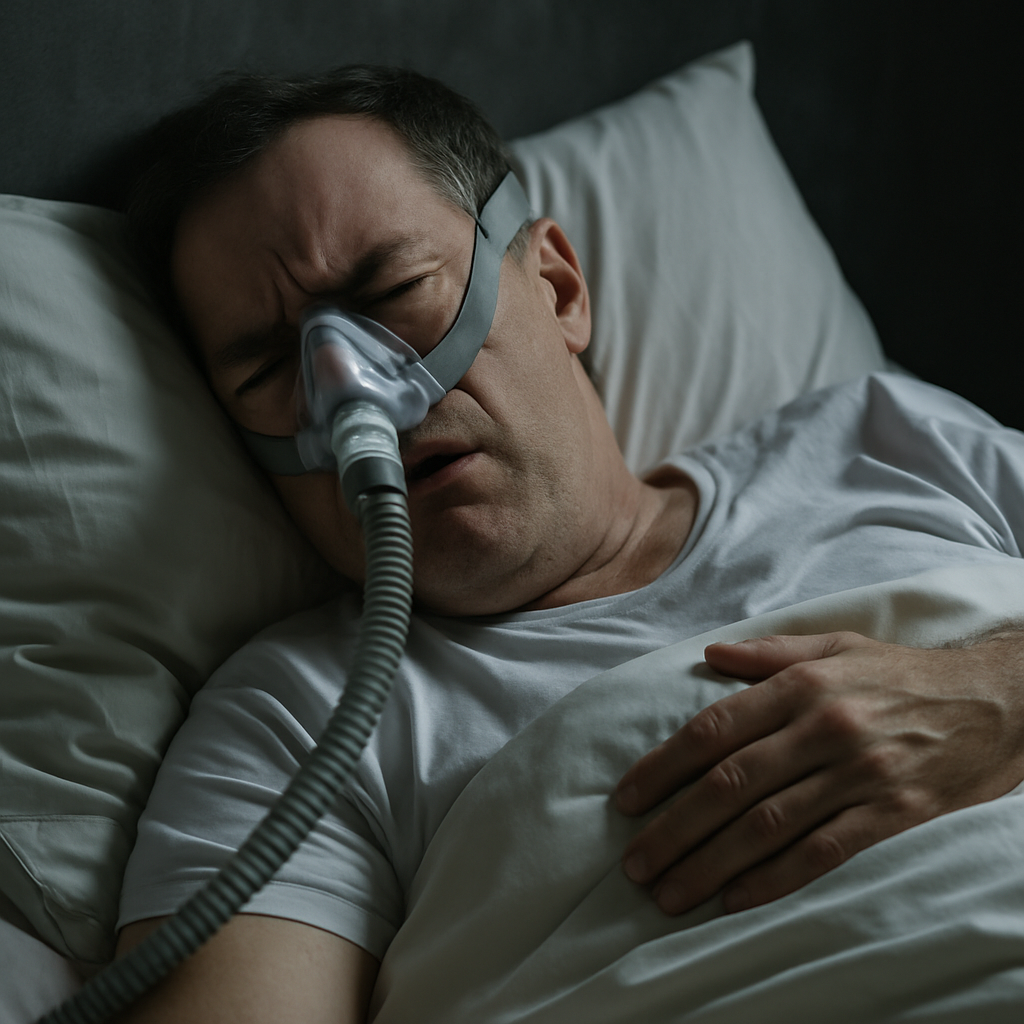
Understanding the Fatal Risks of Sleep Apnea
Sleep apnea is a potentially deadly sleep disorder that can indeed endanger your life if left untreated. People with this condition repeatedly stop breathing during sleep, which can deprive the brain and organs of vital oxygen and set off life-threatening events overnight. Excessive daytime sleepiness, loud snoring, and observed pauses in breathing are not just warning signs—they can signal an increased risk for sudden death, especially in those who ignore recommended therapies or remain undiagnosed. Recognizing these warning signals early on is essential to avoid devastating outcomes (StatPearls OSA Reference).
Mechanisms Leading to Life-Threatening Events
Repeated airway blockages in obstructive sleep apnea cause sharp drops in blood oxygen levels, which force the body to wake throughout the night. The constant stress on the cardiovascular system significantly raises the risk of high blood pressure, heart arrhythmias, and even heart attack. Over months or years, untreated sleep apnea may set the stage for catastrophic events like stroke or sudden cardiac death during sleep.
Research confirms that each episode of oxygen deprivation can trigger dangerous increases in blood pressure and disrupt normal heart rhythms. For some individuals, especially those with pre-existing heart disease, a single undetected night can be fatal.
People with central sleep apnea—a form where the brain fails to signal the muscles to breathe—are also at risk. Unlike the obstructive form, central sleep apnea often goes unnoticed but can still cause significant health deterioration.
- Sudden cardiac arrest is disproportionately higher in untreated patients.
- Stroke risk increases twofold to fourfold among those with untreated sleep apnea.
- Mental health suffers, further raising the risk of accidents or medication errors that may have fatal consequences.
Recognizing the Most Dangerous Warning Signs
The most hazardous symptoms include gasping for air at night, choking episodes, and chronic daytime fatigue, which can all serve as harbingers of major complications. Family or partners might notice pauses in breathing or abrupt awakenings, which are direct evidence that the body is struggling to get oxygen.
Excessive sleepiness in the daytime can lead to fatal drowsy-driving accidents or workplace injuries. In many tragic cases, unexpected deaths during sleep in adults have been attributed to undiagnosed obstructive sleep apnea (Cleveland Clinic: Sleep Apnea).
Other significant warnings to watch for include:
- Severe morning headaches upon waking
- Memory problems or trouble focusing at work
- Long-term, untreated high blood pressure
Ignoring these signs may result in loss of quality of life—and for some, the ultimate cost of life itself.
The Role of Untreated Sleep Apnea and Associated Death Risk
Without intervention, repeated oxygen deprivation and sleep fragmentation place severe stress on the heart and brain. Studies show that patients with untreated sleep apnea are more likely to die prematurely, especially those younger than 60 or with existing cardiovascular diseases. Recorded fatalities have occurred during the night, when airway collapse silently robs the individual of breath.
Treatment is critical: the sooner sleep apnea is identified and managed, the more likely a person can restore both their quality and quantity of life. The risk of sudden cardiac events and fatal strokes drops dramatically when conditions like obstructive sleep apnea are appropriately diagnosed and treated.
Additionally, untreated sleep apnea is strongly linked with metabolic issues, such as diabetes, which further elevates the risk profile for early death in these individuals.
Addressing sleep apnea promptly can dramatically change the trajectory from a life-threatening disorder to a manageable chronic condition.
Testing, Cost, and Effective Treatments to Prevent Fatal Outcomes
Diagnosis of sleep apnea often starts with an at-home sleep apnea test or overnight sleep study, which can confirm the presence and severity of the condition. Modern tests are accessible and widely available, with options ranging from comprehensive in-lab polysomnography to convenient home-based devices.
Treatment options include devices like the continuous positive airway pressure (CPAP) machine, which keeps the airway open throughout the night and remains the proven gold standard for preventing fatal complications. For those who cannot tolerate CPAP, new devices and dental appliances offer alternate routes to safety.
It is essential to seek testing if you notice symptoms or have risk factors. The cost of diagnosis and treatment may be offset by insurance, and investing in therapy can be life-saving.
The NHS or other health systems provide detailed advice and may cover parts of sleep apnea management for eligible patients, ensuring that no one is left untreated due to financial concerns.
Proactive Steps to Reduce Your Risk and Take Control
Taking action is key. Early intervention and consistent management can transform life expectancy for people with sleep apnea. Implementing lifestyle changes—such as weight loss, avoiding alcohol before bed, and changing sleep position—may decrease the severity of symptoms for some individuals.
Discussing treatment options with a healthcare provider allows for customization based on the specific type and severity of sleep apnea, underlying causes, and individual preferences. Addressing co-existing issues, like high blood pressure or diabetes, further reduces the danger.
Finally, informing family members and caregivers about the warning signs and the importance of adherence to therapy helps build a supportive network that can prevent avoidable deaths. Fast, accurate diagnosis and determination of the best device or therapy plan will protect both life and quality of life for those at risk of sleep apnea complications.
Ultimately, sleep apnea is a dangerous disorder that can be fatal when ignored, but with timely recognition and the right therapy, its deadly risks can be greatly reduced.


Comments
Post a Comment