Sleep Apnea Symptoms In Women: Warning Signs, Dangers, and How Fast Untreated Progresses
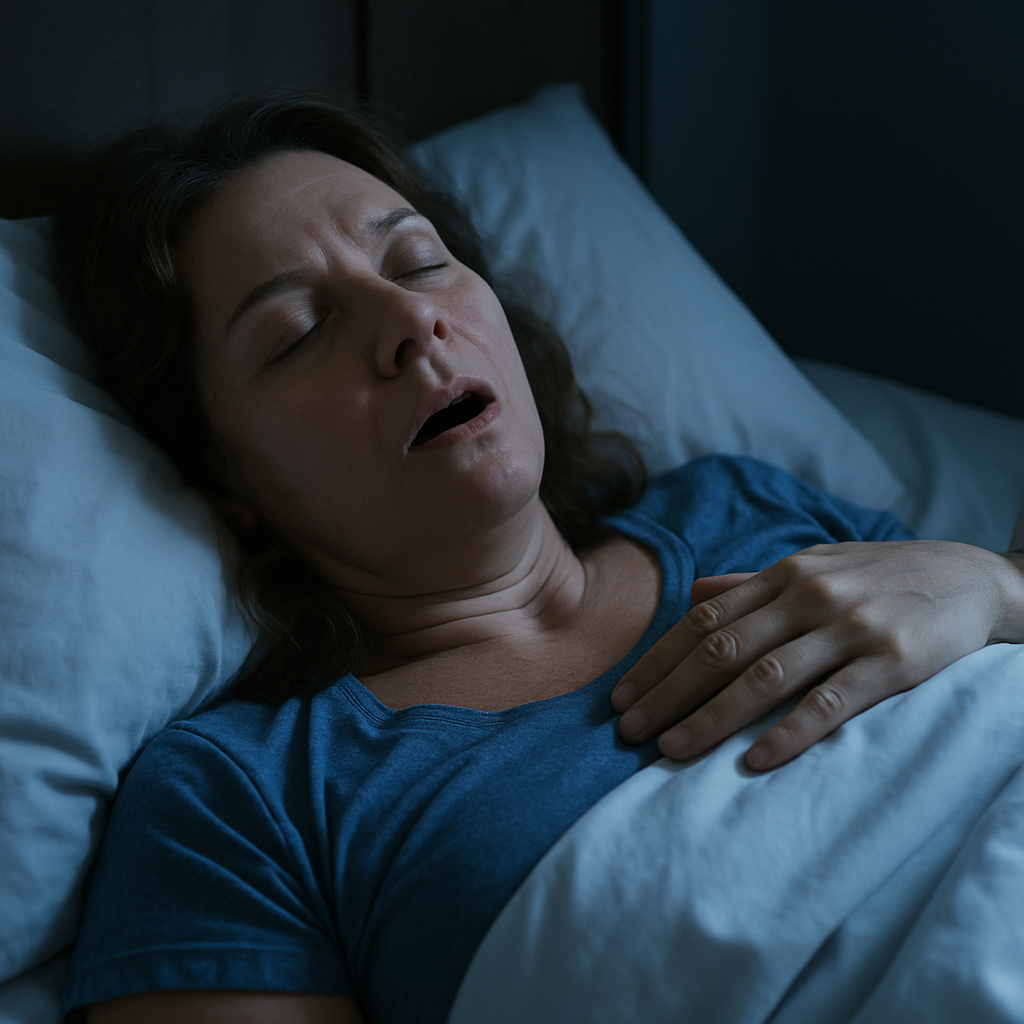
Understanding the Unique Warning Signs in Women
While obstructive sleep apnea (OSA) is commonly thought of as a condition affecting men, women often present with different and sometimes subtle symptoms. Many women experience persistent daytime fatigue, frequent headaches, and restless sleep, which can sometimes be mistakenly attributed to other conditions. It is crucial to recognize that the classic symptoms in men such as loud snoring or witnessed apneas may not always be as pronounced in women. Immediate attention to these warning signs can prevent progression to more serious health hazards (source).
Women may also notice symptoms like waking with a dry mouth, mood disturbances, or lack of concentration. These atypical signs often lead to delays in seeking proper sleep studies and diagnosis. Without awareness, it can take months or even years for women to connect their ongoing tiredness or mood changes to possible sleep apnea. Early suspicion and action are key to avoiding long-term consequences.
Medical professionals highlight that sleep apnea in women can sometimes present more prominently during and after menopause, due to changes in hormone levels and body fat distribution. Recognizing patterns such as increased insomnia or unexplained cognitive changes can be a helpful clue. Sleep partners may also report subtle breathing abnormalities at night, even if loud snoring is absent.
What Makes Untreated Sleep Apnea Dangerous for Women?
Untreated sleep apnea carries increased risk for several major health complications in women. Persistent oxygen deprivation during sleep can rapidly increase the risk for hypertension, heart disease, and stroke. This cumulative strain on the cardiovascular system can develop over weeks to months, making rapid intervention important (source).
Women are also more prone to developing related conditions such as depression, anxiety, and insulin resistance when OSA goes untreated. The interplay of sleep deprivation and hormonal health can intensify these risks, especially in perimenopausal and postmenopausal women. These changes can occur more quickly than many expect, often within a few months of persistent, unrecognized sleep apnea symptoms.
Unrecognized OSA can also impact daily activities, increasing the risk of drowsy driving and motor vehicle accidents. Memory issues and persistent headaches can further reduce quality of life and work performance. Recognizing these dangers reinforces the importance of early detection and management.
How Fast Does Untreated Sleep Apnea Become Life-Threatening?
The timeline for complications depends on individual health status, age, and comorbidities, but evidence suggests that dangerous cardiovascular and cognitive risks can accumulate relatively quickly. Within a year of untreated OSA, women may experience significant elevations in blood pressure or develop arrhythmias. For those with underlying health conditions, the progression can be even faster.
The risk of unexpected cardiac events or strokes rises significantly when apnea episodes go unnoticed for several months to years. In some cases, those with severe, untreated OSA may experience life-threatening occurrences such as sudden cardiac arrest or fatal arrhythmias at a younger age compared to those without the condition. Prompt recognition and management can prevent these dire outcomes and reduce long-term mortality risk (source).
It's important to note that individual progression varies; however, persistent daily symptoms and ongoing sleep disruptions should never be ignored. Seeking professional evaluation at the earliest sign can dramatically alter the course and outcome.
Women should also be aware that the effects of chronic hypoxia and sleep fragmentation are cumulative. Over time, the body's resilience to lack of restorative sleep diminishes, and major organ systems may begin to show accelerated aging and disease processes.
Recognizing When To Seek Help
If you or someone you know is experiencing recurrent sleep disturbances, unexplained mood changes, or excessive daytime drowsiness, prompt consultation with a healthcare provider or sleep specialist is recommended. Simple questionnaires and sleep studies can lead to a timely diagnosis and allow for early intervention.
Partners or family members can also play an important role by observing and reporting irregular nighttime breathing or periods of silence followed by gasping. Awareness campaigns and patient education can make a significant difference in identifying at-risk women.
Many women find it empowering to track their own sleep patterns and symptoms using a diary or mobile app. Bringing this data to a healthcare provider can facilitate quicker evaluation and necessary testing.
Effective Strategies for Prevention and Treatment
With early recognition, most cases of sleep apnea in women can be successfully managed, often resulting in a significant improvement in quality of life. Lifestyle modifications such as weight management, avoiding alcohol before bed, and sleeping on one’s side can help in mild cases. Continuous positive airway pressure (CPAP) therapy is the most effective treatment for moderate to severe cases and can reverse many of the health risks when used consistently (source).
Women who have difficulty tolerating CPAP may explore alternative options, such as dental devices or positional therapy, under the supervision of a specialist. For specific anatomical concerns, surgical interventions may be appropriate.
If you suspect you have any of the warning signs or are concerned about the speed at which symptoms may worsen, don’t delay—assessment and appropriate therapy can halt the progression and restore healthy, restorative sleep.
Ensuring the health and safety of women with sleep apnea begins with awareness, rapid diagnosis, and prompt initiation of proven treatments.


Comments
Post a Comment