Face Before And After High Cortisol: Sleep Deprivation, Fatigue, and Circadian Rhythm Effects
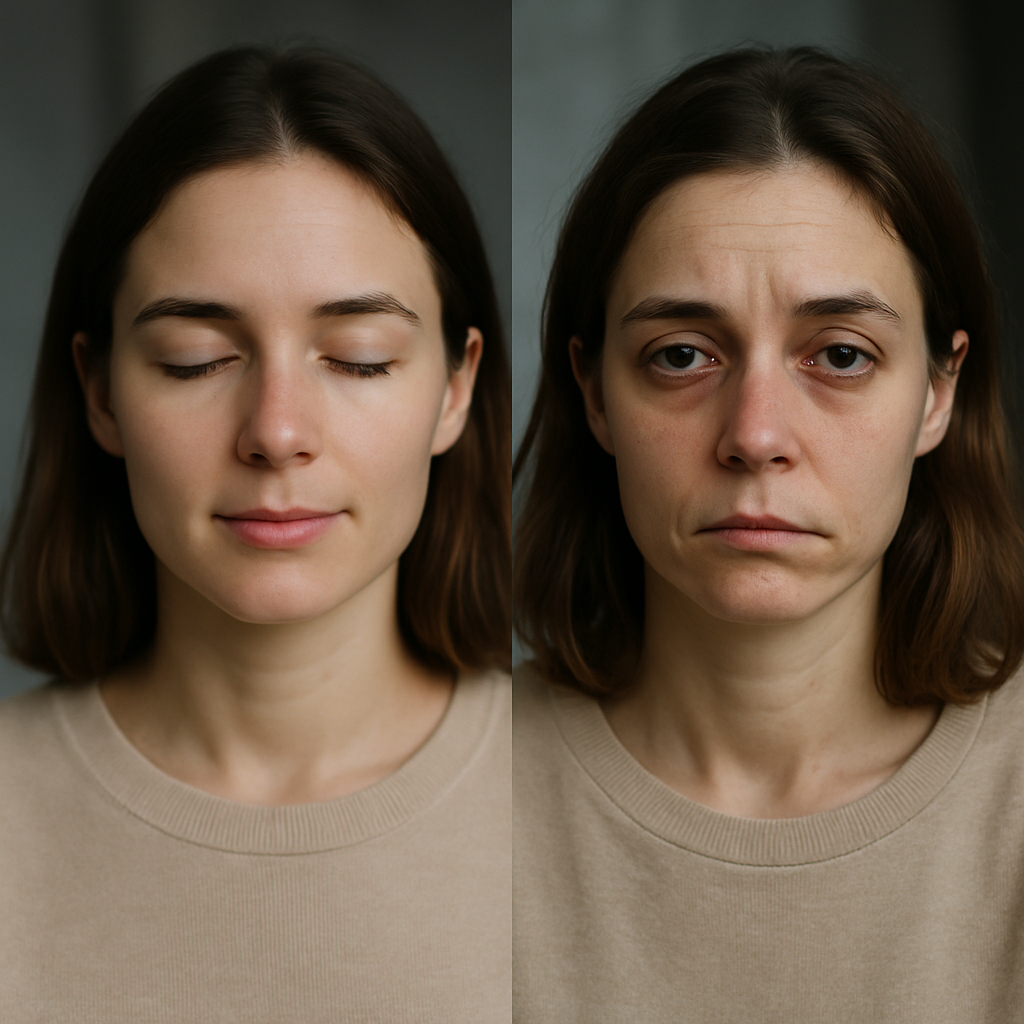
Changes in your face before and after high cortisol levels can reveal hidden impacts of sleep deprivation and chronic fatigue on your health. High cortisol, influenced by your body’s circadian rhythm, often leaves visible signs on your appearance. The hormone’s surges, especially from ongoing poor sleep, can result in puffy eyes, dark circles, and dull skin, making the connection between stress, sleep, and facial changes undeniable. Understanding these effects empowers you to recognize when your body is signaling that hormonal imbalance or circadian rhythm disruption may be affecting both your well-being and how you look.
Understanding Cortisol's Role in the Circadian Rhythm
Cortisol, a vital stress hormone, orchestrates the sleep-wake cycle alongside melatonin. In a healthy circadian rhythm, cortisol peaks in the morning, boosting alertness, then gradually declines to allow melatonin to promote restful sleep at night. Disruptions—like chronic stress or irregular schedules—can trigger abnormal cortisol peaks in the evening, setting the stage for sleep deprivation and facial fatigue (Forbes Vetted).
Such irregularities commonly result in short, restless sleep. With insufficient rest, cortisol remains elevated, and visible fatigue manifests more clearly on the face. Skin may appear paler and less resilient to environmental damage. The well-timed balance between cortisol and melatonin is crucial, as its breakdown reverberates both internally and externally.
For shift workers or those experiencing jet lag, routinely high nighttime cortisol can become a chronic condition. This not only impacts overall health but also causes the face to lose its natural vibrancy and youthful texture.
Repeated circadian rhythm disruption contributes to long-term changes. Understanding how cortisol influences circadian cycles is key to preventing these facial effects and restoring sleep quality.
Visible Signs of High Cortisol and Sleep Deprivation on the Face
Facial indicators of high cortisol are often subtle at first but grow more pronounced with continued sleep deprivation. These may include:
- Swelling or puffiness—especially under the eyes
- Increased dark circles and shadowing around the eyelids
- Pale, dull, or uneven skin tone
- Deepened facial lines due to stress-induced collagen breakdown
- Dryness or increased oiliness, reflecting hormonal imbalance
Not every facial change results from a single night of poor rest. Prolonged exposure to elevated cortisol levels leads to consistent, cumulative effects that become difficult to reverse if not addressed. According to sleep experts, one bad night is unlikely to cause persistent facial changes—but weeks or months of disrupted sleep will (Nirvana Healthcare).
Other contributing factors, like personal stress, underlying medical conditions, and genetics, also play a role. However, the interplay between cortisol and visible facial exhaustion remains a hallmark of chronic fatigue syndromes.
Fatigue in Men and Women: How High Cortisol Affects the Face Differently
Both men and women are subject to visible facial fatigue caused by high cortisol, yet differences in skin type and hormonal balance can affect how these changes appear. For women, hormonal cycles make them susceptible to more rapid collagen loss under cortisol-driven stress, potentially leading to sagging and an increase in visible wrinkles.
Men, on the other hand, may experience increased oiliness and the formation of deeper lines due to tougher skin, but their facial fatigue often manifests as persistent puffiness and pronounced under-eye circles. In both sexes, untreated elevated cortisol ultimately leads to a tired, aged appearance—though the specifics vary by hormone interactions and lifestyle factors.
Signs of high cortisol may also emerge in both men and women as night sweats, redness, and increased sensitivity in facial tissue, all contributing to a chronic look of exhaustion. Because prolonged sleep loss creates a feedback loop, these physical symptoms often worsen unless cortisol balance and sleep are restored.
The Feedback Loop: How Poor Sleep and High Cortisol Fuel Each Other
High cortisol and poor sleep form a powerful feedback loop that affects not just internal health but also external appearance. When cortisol levels are consistently high, sleep cycles are disrupted, leading to shallow or fragmented sleep. This lack of quality sleep then elevates cortisol even further, compounding both physical fatigue and facial changes (PTSD UK).
Fatigue becomes more challenging to manage as this loop continues, highlighting why interventions must focus on resetting circadian rhythms. Strategies may include controlled exposure to natural light during the day, setting regular sleep and wake times, and practicing stress-relief techniques to keep cortisol in check.
For people with stress-related disorders or those working night shifts, recognizing the relationship between facial cues and underlying cortisol imbalances is vital. Early intervention can prevent the deepening cycle of sleep loss and hormone-driven exhaustion visible on the face. Consistent efforts to balance sleep routines ultimately lead to faded dark circles, reduced puffiness, and healthier skin overall.
Managing and Reversing Facial Changes from High Cortisol
The good news is that many facial changes associated with high cortisol and sleep deprivation can be improved or reversed once hormone and sleep balance is restored. Restoring your circadian rhythm, either through sleep hygiene practices, stress management, or—where appropriate—medical intervention, is essential for recovery.
Top sleep hygiene tips include limiting screen exposure before bed, maintaining a cool, dark bedroom, and avoiding stimulants late in the day. Targeted relaxation techniques—such as mindfulness or deep breathing—help lower perceived stress and in turn, reduce cortisol production.
For those with persistent difficulty, consulting a healthcare professional for tailored advice may be necessary. They can evaluate potential underlying conditions that contribute to both high cortisol and sleep disturbances, ensuring that overall health and appearance are protected. Improving sleep quality consistently restores skin tone, reduces swelling, and can dramatically alter the appearance of the face before and after a period of high cortisol.
Recognizing early warning signs, making proactive changes, and using expert-backed strategies paves the way for healthier sleep and a more vibrant appearance.


Comments
Post a Comment