List Of Fruits And Their Health Benefits Pdf – Vitamins, Nutritional Value, and Best to Eat Daily
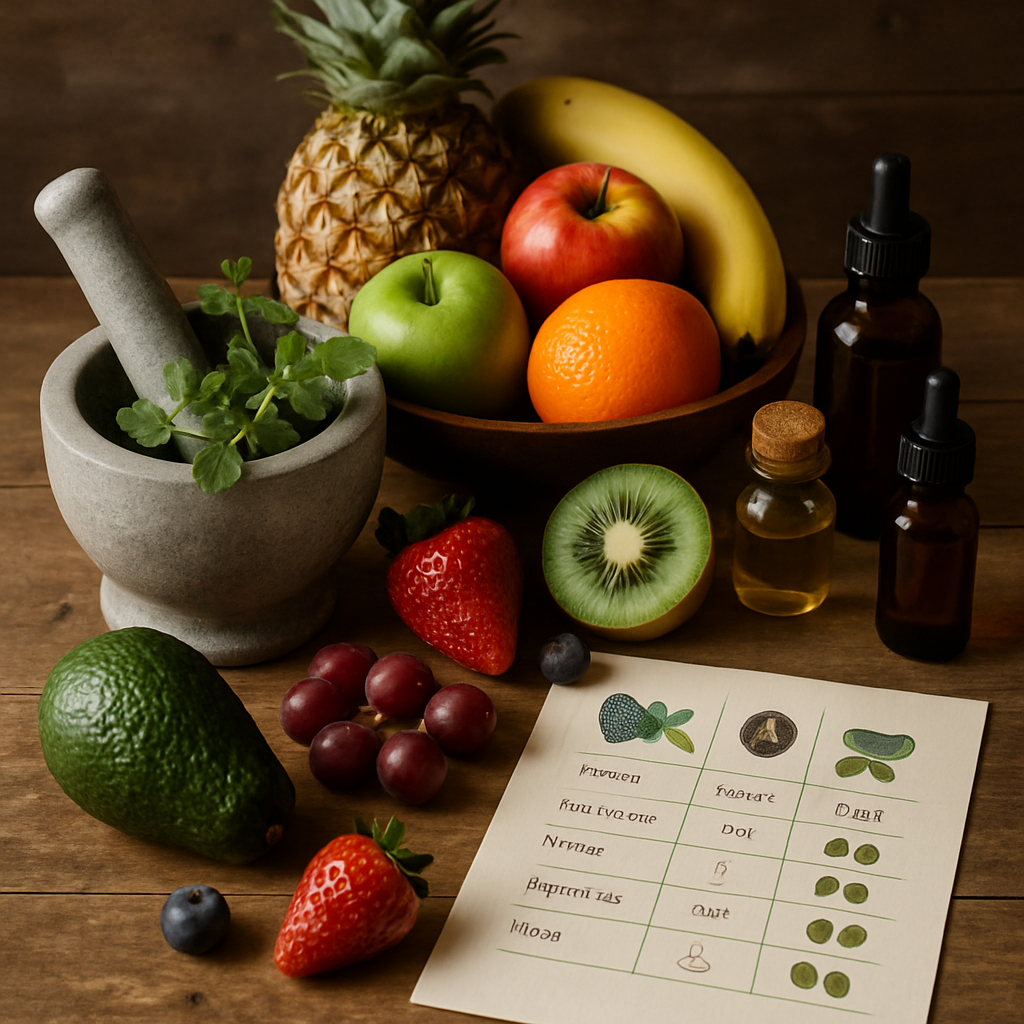
If you are searching for a comprehensive and printable list of fruits with their health benefits, nutritional value, and essential vitamins, this guide is for you. Fruits are a vital part of a healthy lifestyle thanks to their abundance of fiber, vitamins, minerals, and natural antioxidants. Whether you are seeking printable resources or simply want to know which fruits are best to eat daily for optimal health, this easy-to-use breakdown will help you make informed choices and support your well-being.
Understanding the Importance of Fruits for Health and Nutrition
Fruits stand out as some of the healthiest foods you can include in your diet. Rich in vitamin C, potassium, and folate, they deliver a spectrum of essential nutrients while maintaining a low calorie and sodium profile. Scientific research consistently shows that including a variety of fruits in daily meals supports heart health, weight management, and reduces the risk of chronic conditions like diabetes and cancer (source).
Beyond basic nutrition, fruits provide powerful phytochemicals and antioxidants, such as polyphenols, which have been linked to reduced inflammation and enhanced immune function. Many fruits are also an excellent source of dietary fiber, crucial for healthy digestion and maintaining a balanced gut microbiome (source).
Fruits are easy to integrate into most dietary routines, whether fresh, frozen, dried, or canned. Their natural sweetness and versatility make them ideal for boosting both flavor and nutrition across meals.
10 Essential Fruits, Their Key Benefits, and Vital Nutritional Value
- Apple: Supports digestive and liver health, lowers LDL cholesterol, and helps regulate blood sugar. Apples are high in vitamin C and dietary fiber, making them a top choice for daily consumption (source).
- Banana: Provides sustained energy, regulates blood pressure, and helps balance digestive function. Their potassium content is vital for cardiovascular and muscular health.
- Blueberry: Renowned for its antioxidant content, particularly anthocyanins, which support brain health and offer anti-cancer properties. Blueberries also promote cardiovascular wellness.
- Orange: A leading source of vitamin C, oranges enhance immune strength, assist in iron absorption, and contribute to skin health. They also offer beneficial plant flavonoids.
- Lemon: Packed with vitamin C and supporting compounds that aid metabolic detoxification and may reduce cancer risk. Lemons also add flavor with minimal calories.
- Grapefruit: Contains antioxidants and bioactive compounds that aid in weight management and improve insulin sensitivity, while also boosting hydration and offering vitamin A.
- Pomegranate: Supplies punicalagins and polyphenols, which are linked to anti-inflammatory effects and improved heart and joint health.
- Kiwi: Provides fiber, vitamin E, and carotenoids like lutein and zeaxanthin for eye health. Kiwi is noted for digestive support through its enzyme actinidin.
- Grapes: Red and purple varieties, in particular, contain resveratrol and anthocyanins that support heart health, lower oxidative stress, and may improve neurological function.
- Raspberry: Promotes gut health through a high content of insoluble and soluble fiber, delivers vitamin C, and assists with healthy weight maintenance due to its filling nature.
Vitamins in Fruits and the Importance of Variety
Fruits are loaded with critical vitamins, including vitamin C, vitamin A, vitamin K, folate, and minerals like magnesium and potassium. Eating a range of fruits ensures you receive a broad spectrum of nutrients to cover various bodily functions. Since some vitamins and polyphenols are more prevalent in specific fruits, consuming a mix is vital for comprehensive health benefits as highlighted in various health resources (source).
Some fruits, like oranges and kiwis, are particularly high in vitamin C, while bananas excel in potassium and apples offer plentiful fiber. Berries often bring unique flavonoids and antioxidants that help fight inflammation and support heart health.
To maximize the nutritional impact, aim to rotate your fruit choices daily and include both colorful and seasonal varieties for a richer vitamin and mineral intake.
Choosing the Best Fruits for Daily Diets and Printable Planning
When planning your diet or creating a printable resource, consider including those fruits that offer maximum nutritional return for daily consumption. Apples, bananas, oranges, and berries should form the foundation of your list, supported by options like kiwi and pomegranate for added diversity. Many nutritionists recommend eating at least 2-3 servings of fruit every day for optimal benefits (source).
Printable PDF lists can serve as helpful reminders or educational tools for students, families, and anyone seeking balanced nutrition. These can include not just the names of the fruits, but their major health advantages and concentrations of vitamins and minerals for easy reference.
Include quick tips on how to add fruits to breakfasts, snacks, salads, or smoothies to make healthy eating both practical and enjoyable. Be sure to account for seasonality and local availability to help create a sustainable, varied menu throughout the year.
Finally, keeping a downloadable or wall-posted fruit and health benefits chart can encourage consistent, mindful eating habits and simplify grocery shopping for the week.
Nutritional Value of Vegetables vs. Fruits: Key Points for Students and Families
Fruits and vegetables together form the cornerstone of the healthiest dietary patterns worldwide. While fruits are generally rich in easily digestible sugars, fiber, and vitamin C, vegetables often supply more vitamin A, vitamin K, and unique phytonutrients not as prevalent in fruits (source).
For students and families, understanding the complementary value of fruits and vegetables is essential for well-rounded nutrition. Eating a rainbow of both ensures that the intake of essential vitamins and minerals is balanced, reducing the risk of nutritional gaps.
Developing a habit of including both fruits and vegetables at every meal has been associated with better academic performance, lower rates of obesity, and improved lifelong wellness.
Printable guides can help reinforce these habits, especially when they highlight specific pairings (e.g., citrus + leafy greens) that further enhance nutrient absorption.
Encouraging daily tracking can also help students visualize their intake and strive for at least five combined servings per day, supporting growth and cognitive function.
Consistently choosing a variety of fruits daily and referring to printable PDFs with nutritional details is a reliable way to support your health, easily meet vitamin needs, and plan balanced meals for yourself or your family.


Comments
Post a Comment