Vitamins For Brain Memory For Students: Best Supplements, Focus Boosters, and Concentration Tips
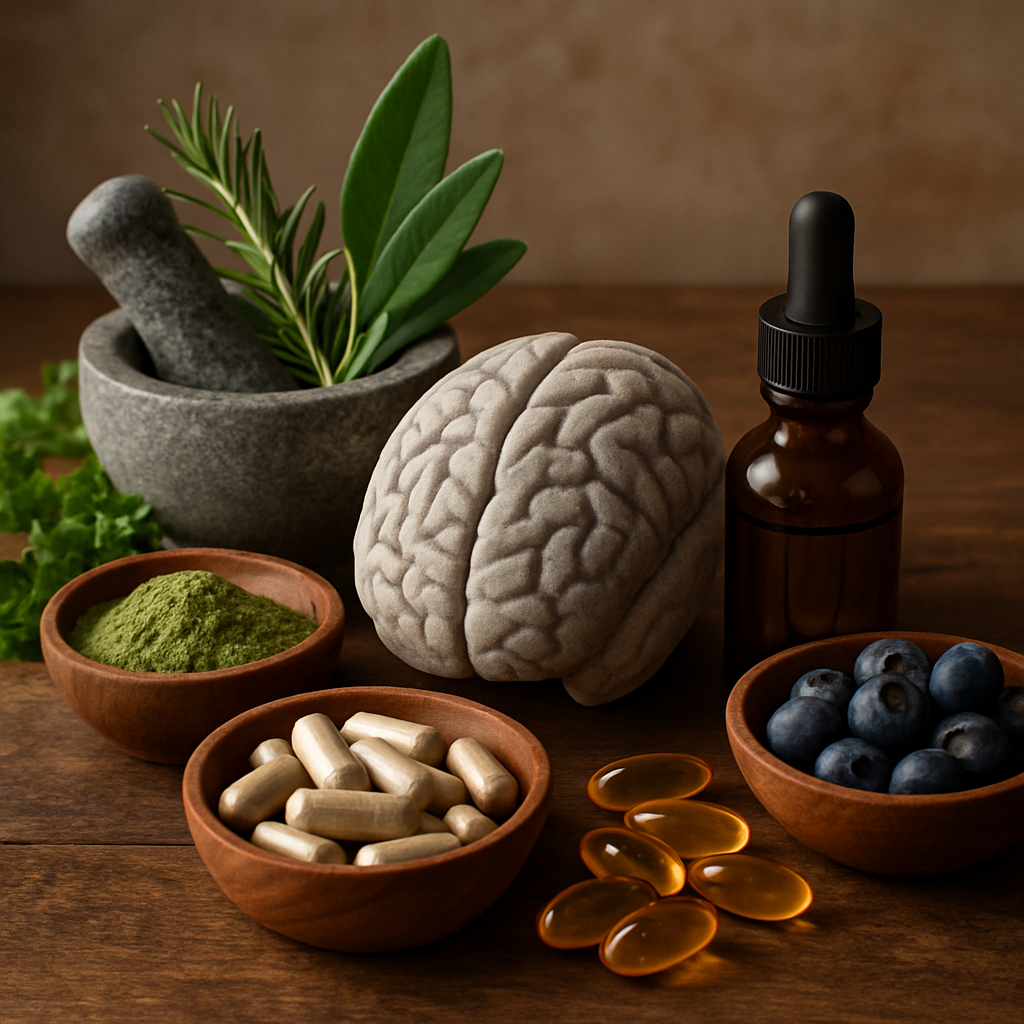
The Best Vitamins and Supplements for Brain Memory and Focus in Students
Students of all ages often search for effective ways to enhance memory, boost focus, and improve concentration, especially during periods of intense studying. The most effective vitamins for brain memory include B vitamins, omega-3 fatty acids, and vitamin D, each shown to have supportive roles in cognitive function and attention. For students seeking to maximize their academic performance, integrating the right supplements alongside healthy lifestyle habits can provide measurable benefits for memory, mental clarity, and overall concentration. Below, we explore the key vitamins and supplements that can help students maintain peak cognitive performance, with guidance tailored to those as young as 14 and student populations ranging from teens to adults. Science-backed insights and expert recommendations inform these select options for brain health enhancement (source).
Nutrients Supporting Brain Health and Academic Performance
Vitamin B12 is essential for brain function, playing a pivotal role in the maintenance of nerve cells and supporting myelin sheath health. Low levels may lead to memory difficulties and poor focus, particularly in vegetarians and older students (source).
For students, particularly those with dietary restrictions, regular intake of vitamin B12 promises improved memory and greater cognitive sharpness. The supplement helps ensure that signals in the brain travel efficiently, impacting both short-term recall and sustained attention.
Vitamin D-3 has gained attention as a fundamental vitamin for neurological function. Many Americans, including students residing in less sunny climates, are deficient. Supplementing with vitamin D-3 may stabilize mood, sharpen cognitive performance, and increase mental stamina, making it an excellent starting point for improved brain health.
Omega-3 fatty acids are found in fish oil and certain seeds, supporting the structure of brain cell membranes and helping modulate neurotransmitter function. Regular consumption can promote learning, memory formation, and overall mental agility—a critical advantage for growing teens and busy college students.
Top Supplements to Enhance Focus and Cognitive Performance
Choline is a nutrient key to acetylcholine synthesis, a neurotransmitter vital for memory and learning. Many students, especially teens and those with plant-based diets, may not get sufficient choline from foods. Supplementing with choline is backed by studies suggesting it enhances working memory and protects against cognitive decline.
Ginkgo Biloba is a popular herbal supplement commonly taken to support blood flow to the brain. Much research supports its ability to improve working memory and concentration among students, particularly in periods of high mental stress.
Vitamin B3 (Niacin) helps provide steady energy for brain cells by supporting glucose metabolism. A steady glucose supply is necessary for students tackling extended study sessions or multitasking demanding academic challenges.
Each of these supplements offers targeted cognitive support, assisting with focus and sustained mental effort, crucial for students striving to maintain their attention and recall during exams or lengthy reading assignments (source).
Daily Habits and Natural Strategies for Memory and Attention
While supplements play an important role, everyday habits contribute greatly to brain memory and focus in students. Consistent sleep patterns, with at least seven hours nightly, directly support the brain's ability to consolidate memories and maintain daytime concentration.
Regular physical activity has been shown in numerous studies to slow cognitive decline, enhance memory, and boost attention. Exercise also helps regulate mood and improve energy levels for more productive study sessions.
Managing stress is vital for students of all ages, as high cortisol can quickly erode focus and memory. Practicing mindfulness or short meditation sessions between classes and study times can dramatically increase mental clarity and resilience to distractions.
Combining these lifestyle factors with supplementation can lead to optimal academic performance, as the brain functions best when diet, movement, sleep, and stress are all well-managed (source).
Choosing the Right Supplement Routine for Different Age Groups
The best vitamin strategy for brain memory and focus depends on a student's age, lifestyle, and existing nutritional status. Adolescents around 14 years old may benefit from B vitamin complexes to maintain energy and mental performance, especially during rapid growth phases.
For teens and young adults, dietary gaps (especially among vegetarians or those with limited access to nutrient-rich foods) can be addressed with targeted supplements such as B12, choline, or omega-3 fatty acids. Seniors and adult students should focus on regular testing for deficiencies, as absorption rates and dietary variety often decrease with age.
Always begin any supplement regime by consulting a healthcare provider, particularly if there are underlying health conditions or additional medication requirements. Safe, evidence-based supplementation, coupled with healthy daily habits, is the most reliable path to improved memory and focus.
Ultimately, balancing nutrition, sleep, movement, and stress is the most consistent way to achieve superior concentration and memory for students at every academic stage.


Comments
Post a Comment