What Is A Food Safety Plan in FSMA and HACCP: Steps, Template, and Corrective Action
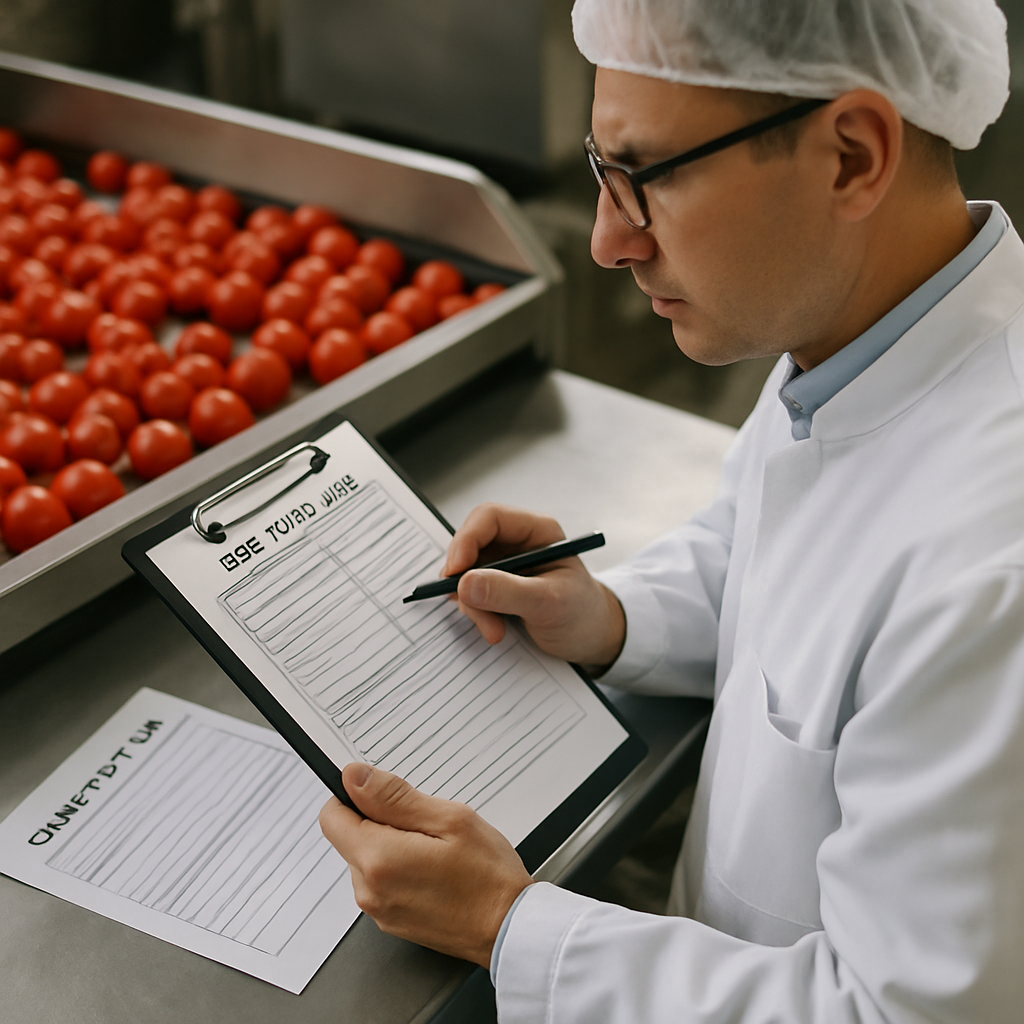
If you want a clear understanding of what a food safety plan is in the context of FSMA and HACCP, as well as how to use templates and implement corrective actions, here is your comprehensive guide. A food safety plan is a documented strategy that identifies food safety hazards, defines preventive controls, and explains specific steps and procedures to prevent contamination in food production and handling. This plan is essential for regulatory compliance under standards like FSMA, offers a template for efficiently organizing controls, and aligns closely with the principles of HACCP. Below, you will find actionable information on defining, building, and auditing your food safety plan, plus how to integrate process management and corrective actions for ongoing success.
Defining a Food Safety Plan with FSMA and HACCP Principles
A food safety plan is a written document that systematically identifies the potential hazards associated with food production and establishes controls for mitigating risks. It is essential for facilities regulated by the FDA, FSMA, and many global authorities, and incorporates all seven principles of HACCP. In practice, a food safety plan includes hazard analysis, preventive controls, monitoring strategies, verification procedures, and records management.
FSMA (Food Safety Modernization Act) requires most FDA-regulated facilities to maintain a written food safety plan. This integrates hazard analysis and risk-based preventive controls, building on the HACCP approach but with updated, more comprehensive requirements focused on proactive risk management (source).
A suitable template should cover not just hazard identification but also management responsibilities, supply chain oversight, and corrective action protocols. Many food safety managers use digital food safety plan builder tools for this purpose, helping to ensure plans are both comprehensive and audit-ready (source).
Recognizing the difference between classic HACCP and the FSMA food safety plan is important: FSMA plans typically require additional process and sanitation controls, allergen risk reduction, and a more robust recall plan when compared to traditional HACCP-only models.
Core Steps to Build and Implement Your Plan
To create an effective food safety plan, follow these standard steps:
- Conduct a hazard analysis to identify biological, chemical, and physical risks at each stage of production.
- Determine preventive controls that address identified hazards, including sanitation, process, and allergen management.
- Establish monitoring procedures to ensure controls are functioning as planned.
- Develop corrective action steps for responding to potential risks or process failures.
- Verify that controls are working using audits, sampling, and process validation.
- Maintain records management practices for traceability, trace-back investigations, and regulatory audits.
Most facilities use a food safety plan template to structure these steps. Example templates often include a basic flow chart of operations, facility layout, pest and allergen management plans, and a detailed recall directive. You may also find process-based or product-based workbook formats, depending on regulatory or internal requirements (source).
FSMA requires that these plans be written, implemented, and overseen by a Preventive Controls Qualified Individual (PCQI). This ensures all elements are properly addressed and the plan remains updated as processes or products evolve.
Records management systems play a key role in supporting audits and demonstrating compliance. These systems can be digital for streamlined access, or paper-based, provided they capture all necessary steps and corrective action outcomes.
Understanding Corrective Action and Continuous Improvement
Corrective action strategies in a food safety plan are triggered whenever a preventive control fails or a hazard is discovered during monitoring or audit activities. These corrective steps may involve isolating affected product batches, initiating product recalls, or retraining staff to address root causes.
Plans should clearly define the responsibilities for corrective actions and provide protocols for documenting each response, including process-based and record-keeping requirements (source).
Continuous improvement is achieved through regular internal audits, supply chain reviews, and management commitment. Organizations like BRC and ISO require routine evaluation of food safety culture and emergency response planning as part of certification.
Using a food safety plan template makes auditing, gap analysis, and rapid response easier, helping you quickly identify weaknesses and update risk management procedures when products, processes, or regulations change.
Key Differences Between HACCP and FSMA Food Safety Plans
While HACCP and FSMA food safety plans share many common components, FSMA plans have expanded requirements in several key areas. Under FSMA, food safety plans must cover all potential hazards, including those originating from allergens, sanitation lapses, and supply chain vulnerabilities (source).
Unlike traditional HACCP, where focus is primarily on hazard analysis and critical control points, FSMA plans integrate broader risk-based preventive controls and require more extensive documentation. This includes process-based records management, verification activities, and a more detailed product recall plan. Companies are expected to routinely audit their plans and maintain up-to-date corrective action protocols.
Customizable plan builders and digital templates have become popular as they allow facilities to efficiently update steps and records in response to changes in products, customer requirements, or regulatory expectations. This agility is especially important for bakery operations, schools, or facilities managing frequent product changes or emergency situations.
Template Builders and Audit Preparation: Making Compliance Easier
Choosing the right food safety plan template or builder enables more efficient compliance and audit readiness. These tools simplify the process of mapping operations, identifying process-based hazards, and maintaining corrective action traceability. Because audit requirements can differ between FSMA, BRC, and HACCP certifications, using a process-based or product-based template ensures you meet required criteria while simplifying future plan revisions (source).
For most organizations, digital management systems are preferred for fast access and streamlined updates. They support effective records management, process-based audits, and rapid identification of strategic gaps in procedures. This not only meets regulatory requirements but also builds a stronger food safety culture by distributing responsibilities across departments and encouraging proactive risk identification and response.
In summary, a well-designed food safety plan is the backbone of any safe and compliant food operation and should integrate all the steps, templates, and corrective action protocols necessary for ongoing audit and regulatory success.


Comments
Post a Comment