Go To Sleep Meme: How Healthy Sleep Habits and Sleep Therapy Aid Insomnia Relief
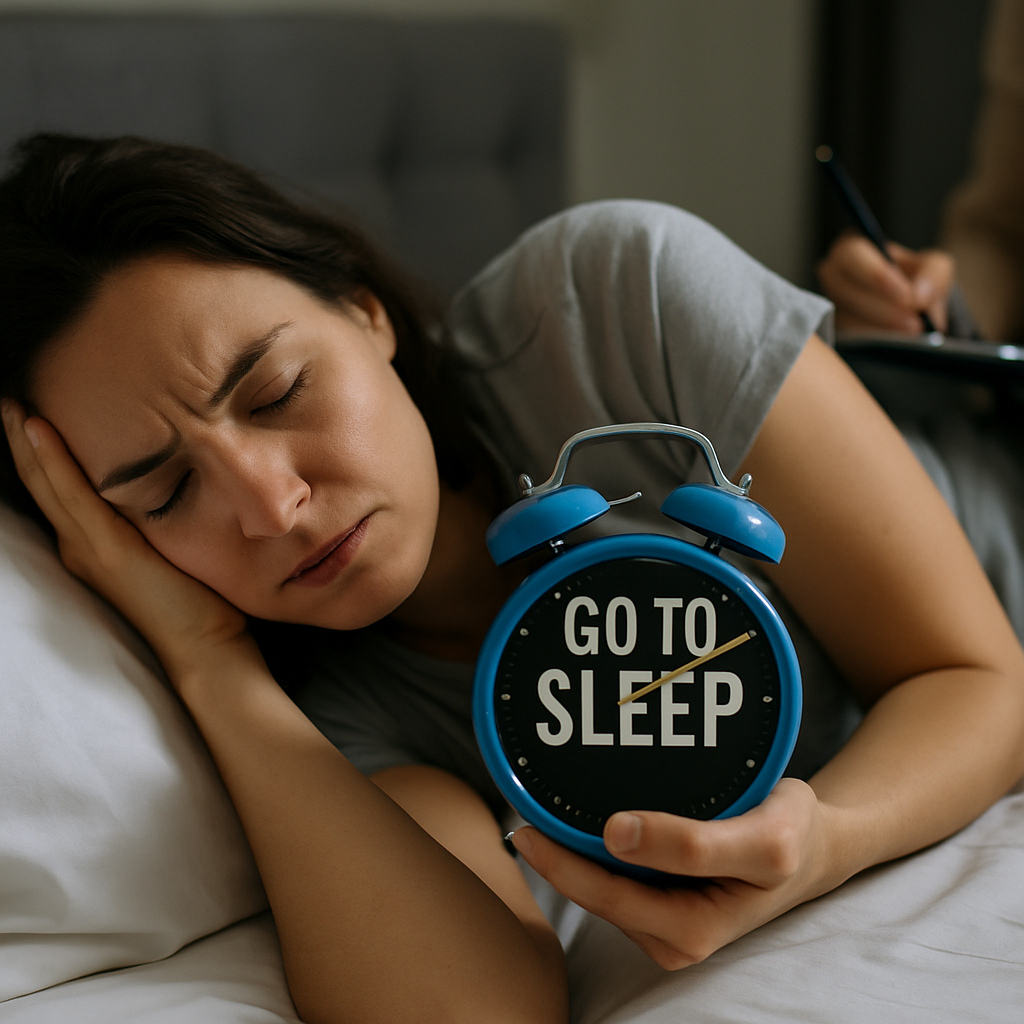
Memes like the "Go To Sleep" meme often highlight just how challenging modern sleep problems have become, but genuine insomnia and poor sleep hygiene require evidence-backed solutions. If you find yourself relating to these sleep memes nightly, it's time to focus on healthy sleep habits and consider professional sleep therapy that genuinely addresses the root causes of insomnia. Understanding what works—and why—can empower you to move beyond viral jokes into real, restorative rest.
Understanding Sleep Hygiene and Its Role in Nightly Rest
Effective sleep starts with your everyday behaviors and routines. Sleep hygiene includes your bedtime rituals, the environment in your bedroom, and how you handle technology or stimulants before sleep. Small, sustainable changes—such as maintaining a regular schedule and limiting caffeine—can dramatically reduce insomnia. Developing consistent habits lets your body know when it's time to wind down, making sleep easier to achieve and maintain.
Addressing common sleep disruptors, such as late-night device use or heavy meals, is a fundamental part of improving sleep hygiene. Creating a calm, dark, and quiet sleeping space helps reinforce your body's natural sleep signals. These practical steps can be enhanced further with guidance from a professional sleep therapist or programs found at advanced clinics like Meliora Healthcare.
Incorporating daily relaxation techniques—such as controlled breathing or meditation—can also help signal your body that it's time to sleep. Integrating these routines before bed can bridge the gap between meme-worthy fatigue and real, quality sleep.
The Science of Sleep Therapy for Insomnia
For persistent insomnia, sleep therapy, particularly Cognitive Behavioral Therapy for Insomnia (CBT-I), has become the gold standard. Unlike sleeping pills, CBT-I helps you reframe negative sleep thoughts, break bad cycles, and replace them with healthy cognitive and behavioral patterns. This evidence-based approach helps tackle the underlying issues—such as anxiety, stress, or irregular routines—that often fuel chronic sleeplessness.
Therapists trained in sleep medicine can tailor interventions to your specific needs, addressing psychological barriers or ingrained habits. According to Talkspace's sleep therapy resources, CBT-I consistently reduces the severity and recurrence of insomnia without the side effects of medication.
Even small improvements in sleep quality can boost your mood, daytime functioning, and overall health. By focusing on underlying habits and thoughts, sleep therapy delivers lasting change. Complementary methods like sleep diaries or behavioral modification further enhance results for long-term insomnia sufferers.
Optimizing Your Night: From Sleep Hygiene to Guided Relaxation
The path from sleep-deprived memes to true rest involves more than just wishful thinking or internet jokes. Integrating structural lifestyle changes—such as regular sleep times and calming bedtime routines—lays the groundwork for consistent, restorative sleep. Techniques like mindfulness meditation or progressive muscle relaxation are frequently recommended by therapists to help ease the transition to sleep.
Reducing stimulants, establishing a tech-free pre-sleep window, and preparing your sleep environment can make a genuine difference. Healthy bedtime routines signal your body and mind that it's time to unwind, further supporting the effects of structured sleep therapy sessions.
Guided relaxation and meditation apps may supplement formal therapy, providing additional tools to handle occasional anxiety or racing thoughts. The healthiest approach combines these evidence-based strategies, focusing on gradual habit changes with professional support when needed.
For anyone struggling with persistent insomnia, seeking an individualized assessment from a sleep medicine specialist remains the most direct path to improvement. Clinics like Meliora Healthcare are equipped to evaluate your unique needs and match you with the right solutions.
When to Seek Professional Help for Insomnia
If you consistently struggle to fall or stay asleep despite practicing good sleep hygiene, it's time to consider professional guidance. Signs that you might benefit from sleep therapy include ongoing fatigue, diminished daytime performance, or feelings of frustration and helplessness about your nightly rest.
Insomnia is rarely just a "bad habit"; it can result from complex physical, emotional, or lifestyle factors that require targeted intervention. Professional sleep therapists are trained to address both the mental and environmental obstacles standing between you and healthy sleep.
Before starting sleep therapy, your provider will typically review your sleep patterns, lifestyle habits, and any coexisting medical conditions. This detailed assessment makes it possible to craft a personalized plan, targeting your specific barriers and triggers.
Prioritizing your sleep is essential not just for mental and emotional well-being, but also for long-term physical health. Seeking professional help is a sign of self-care—and an important step that moves you beyond the jokes of the "Go To Sleep" meme and into a stage of meaningful recovery.
Putting Memes Aside: Building a Sustainable Approach to Better Sleep
While internet memes capture the exasperation of restless nights, the actual solutions go much deeper than humor. Prioritizing sleep hygiene, embracing evidence-based sleep therapy, and being willing to modify routines are foundational moves towards lasting relief. Recognizing your own patterns and seeking help when habits or anxiety persist can help break the cycle of chronic sleep issues.
Don't let sleep deprivation become a running joke in your life. There are proven, accessible, and sustainable ways to achieve the restorative rest you need to thrive each day.


Comments
Post a Comment