Is Watering Plants With Sparkling Water Smart for Greenery and Soil Quality?
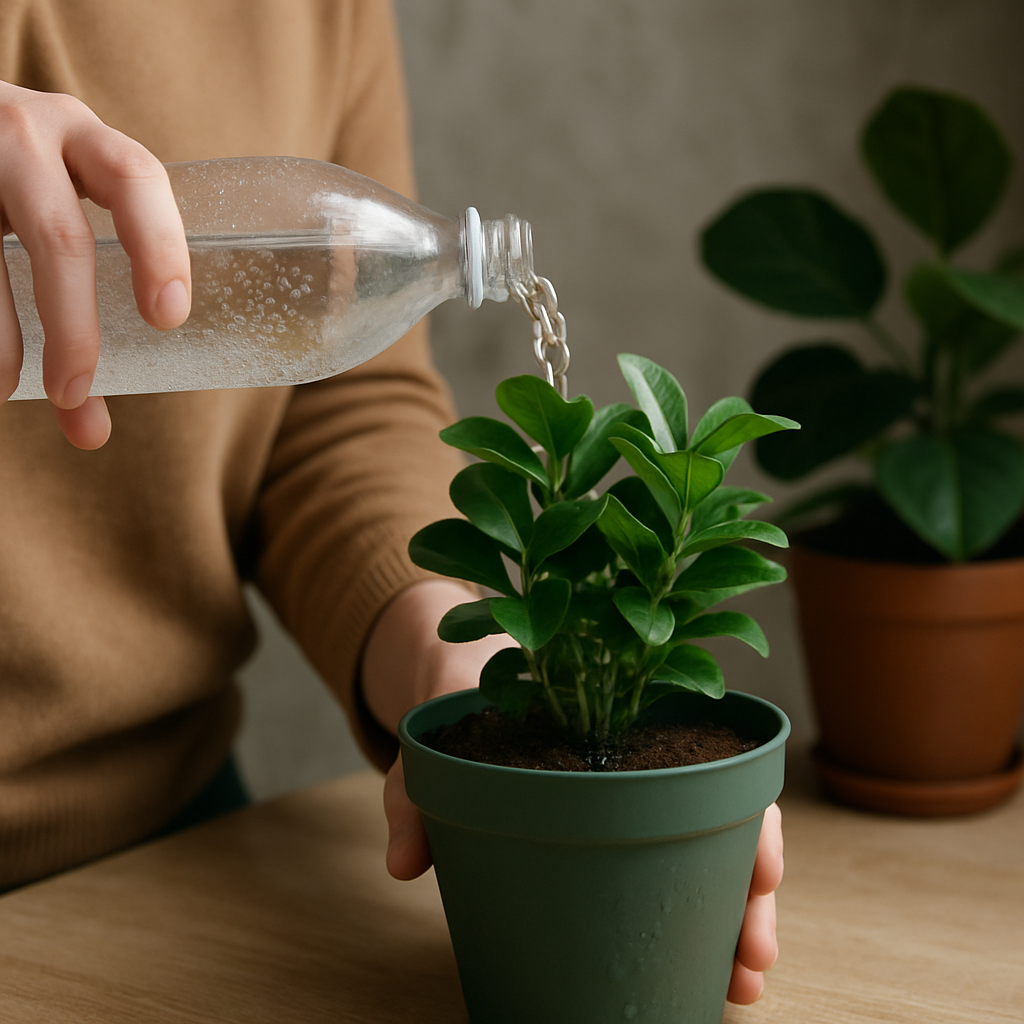
Introduction: Can Sparkling Water Nurture Greener Plants?
If you have ever wondered whether watering plants with sparkling water could make your indoor greenery thrive, the answer is: sometimes, but with strict caveats. Using plain, unsweetened, low-sodium carbonated water instead of tap water can occasionally boost growth for certain plants, thanks to the extra minerals and dissolved carbon dioxide. However, this method should not replace regular watering routines, and improper use—such as choosing waters with added salts or sugars like some Poland Spring sparkling energy drinks—can actually harm your plants. Here is what you need to know about the effects of carbonated water on both the health of your plant's soil and their visual vitality, along with some practical, science-backed tips for experimentation.
How Sparkling Water Affects Soil Hydrology and Plant Growth
Sparkling water, often containing added minerals like calcium and magnesium, can influence a plant's soil environment in unique ways. The added carbon dioxide dissolves into the water, temporarily making it slightly acidic and altering the soil's hydrology. This can benefit certain nutrient uptake pathways, potentially enhancing the leaf greenness and overall photosynthetic efficiency, especially for leafy herbs and greens.
That said, not all sparkling waters are equal. Mineral content is a vital consideration—waters like Orka or Waterloo labeled as 'infused' or 'quality enhancer' must be checked for sodium and additive content. Sodium can accumulate in the soil, impeding root function and stunting growth, while sugars or artificial sweeteners can draw pests or cause root rot. Always check the label for a basic mineral diagram or ingredient list, and choose only plain varieties.
Research and gardening experiments, such as those discussed in this Southern Living article, reinforce the importance of using carbonated water sparingly and choosing products without salts, flavorings, or sweeteners. Carefully observe how your specific plants respond before making it a routine part of your hydrology strategy.
Experimenting Safely: Guidelines and Common Pitfalls
Before making any changes to your plant care routine, consider running a controlled experiment. Start by mixing the sparkling water with an equal part of plain filtered water, as suggested by horticulturalists and plant enthusiasts. This helps to dilute potential concentrations of minerals or CO₂, minimizing the risk of shocking the soil system or disturbing the plant's moisture absorption process.
Once mixed, let the sparkling water sit until flat. Freshly opened bottles contain higher concentrations of dissolved CO₂ that can momentarily displace oxygen in the soil, possibly stressing sensitive species. Letting the water go flat (as with Poland Spring, Waterloo, or hydrise waters) maintains beneficial minerals while decreasing the chance of negative impacts. You can find additional safe experimentation tips in this Salacious Drinks blog post, which emphasizes moderation and awareness of mineral content.
Be aware of overwatering, especially when using sparkling water as a novel hydrology experiment. Monitor for signs of plant stress such as yellowing leaves, wilting, or crusty salt crystal build-up at the top layer of your soil. Stop experiments immediately if you see negative changes. Not all plants respond the same—while some garden or ranch-based herbs enjoy the extra buffering minerals, others prefer traditional storage and hydration routines.
For visual tracking, consider taking periodic photos or drawing a simple diagram of leaf color and soil quality changes. This will help in assessing whether the transformation is truly beneficial. Sharing results with plant communities or forums can also provide valuable perspective and troubleshooting advice.
Choosing the Right Sparkling Water: Ingredients Matter
Not all bottled sparkling waters are safe for plant watering. Avoid products that are labeled as 'infused,' 'energy-enhanced,' or contain any flavorings—these can introduce unhelpful chemicals or sugar, interfering with root uptake or attracting pests. Look for simple ingredient lists and minimal mineral content.
Brands such as Poland Spring or Waterloo sell a variety of sparkling waters—some versions are suitable, but others contain sodium bicarbonate or artificial additives that are detrimental. Read each bottle or si storage symbol, paying careful attention to sodium levels, which should remain at trace or negligible amounts for safe use.
Mio transformations—those liquid water enhancers commonly mixed into tap or sparkling water—are not suited for this experiment. Even if labeled as 'smart' or for wellness, they usually include artificial flavors and colors unsuitable for plant hydrology.
Practical Steps to Enhance Plant Greenness and Quality
To maximize the greenery of your houseplants or garden plots, always supplement sparkling water with adequate light (sunshine or artificial grow lights), proper soil drainage, and regular pure water feedings. Sparkling water is not a magic solution but may provide a short-term boost in environments where nutrient availability is limited.
Consider tracking your results: take regular images or photos of leaves before and after using carbonated water. Look for subtle changes in color, leaf fullness, or energy (upright posture, signs of rapid new growth). Adjust your experiment to each plant type—succulents, leafy greens, and rose-type flowers all react differently to changes in watering methods.
If desired, sketch a basic storage diagram or experiment chart. Include date, water type, and visual assessments like leaf clarity, color, or the presence of salt crystals. This scientific method approach ensures that you are making data-driven improvements to your plant care routine without jeopardizing long-term health.
Finally, remember to revert to standard tap or filtered water regularly and use sparkling water only as an occasional hydration enhancer. Overuse can shift soil chemistry beyond healthy limits, particularly in container gardens or tightly controlled ranch-style plantings.
By carefully mixing low-sodium sparkling water, watching plant and soil quality closely, and using visual aids such as photos or diagrams to track progress, you can safely experiment with carbonated hydration as a rare, fun boost for your favorite greenery.


Comments
Post a Comment